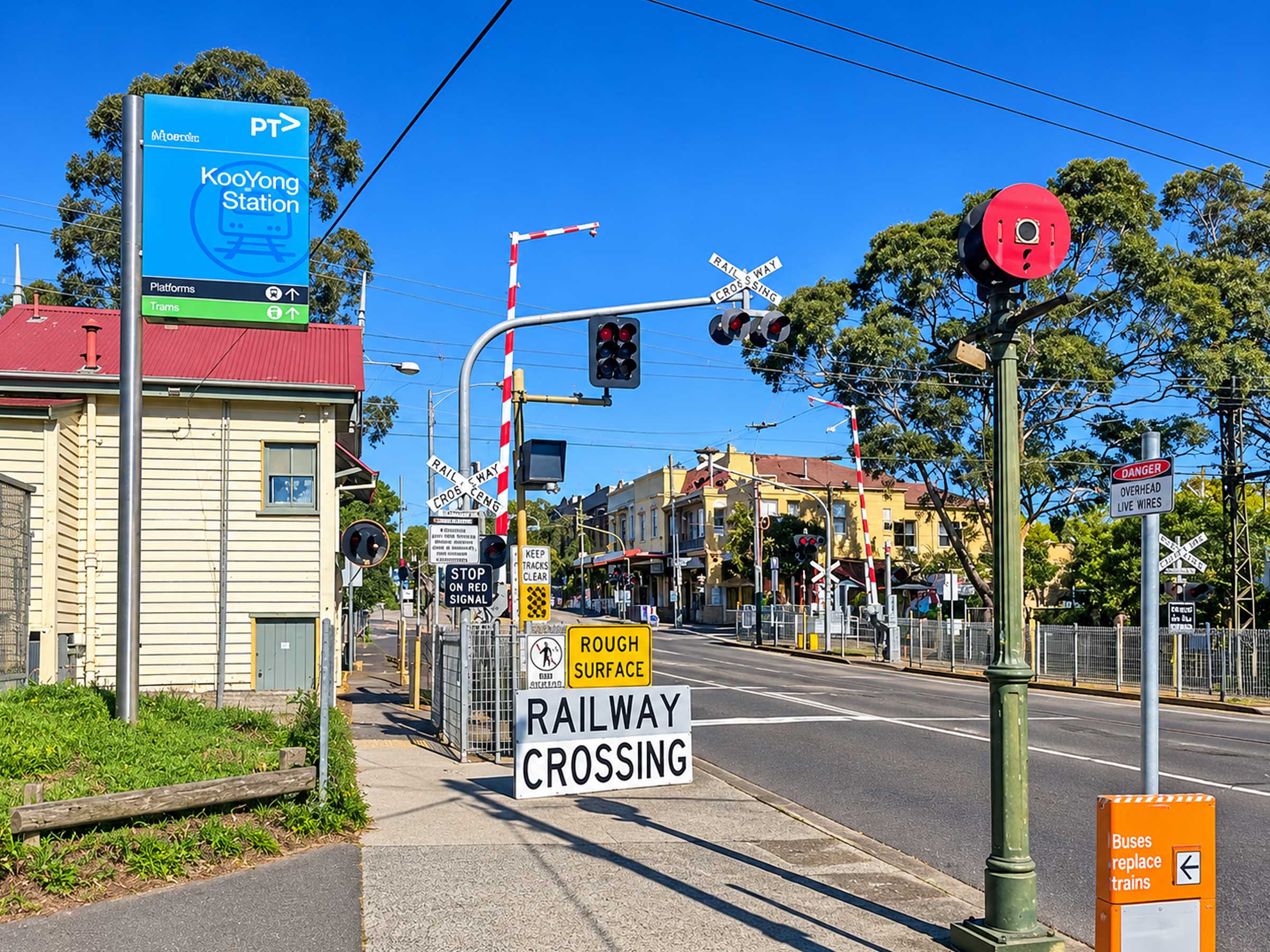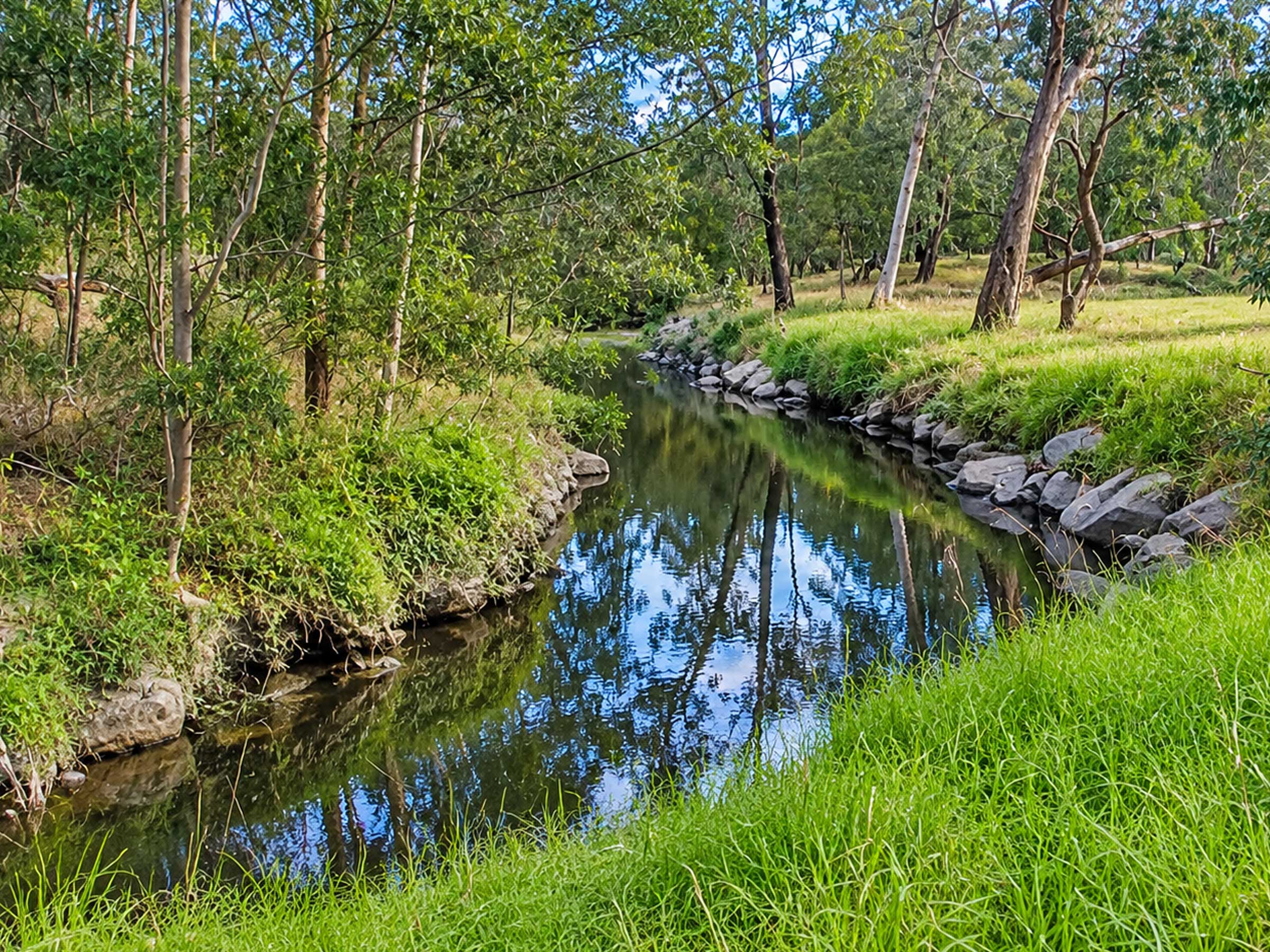

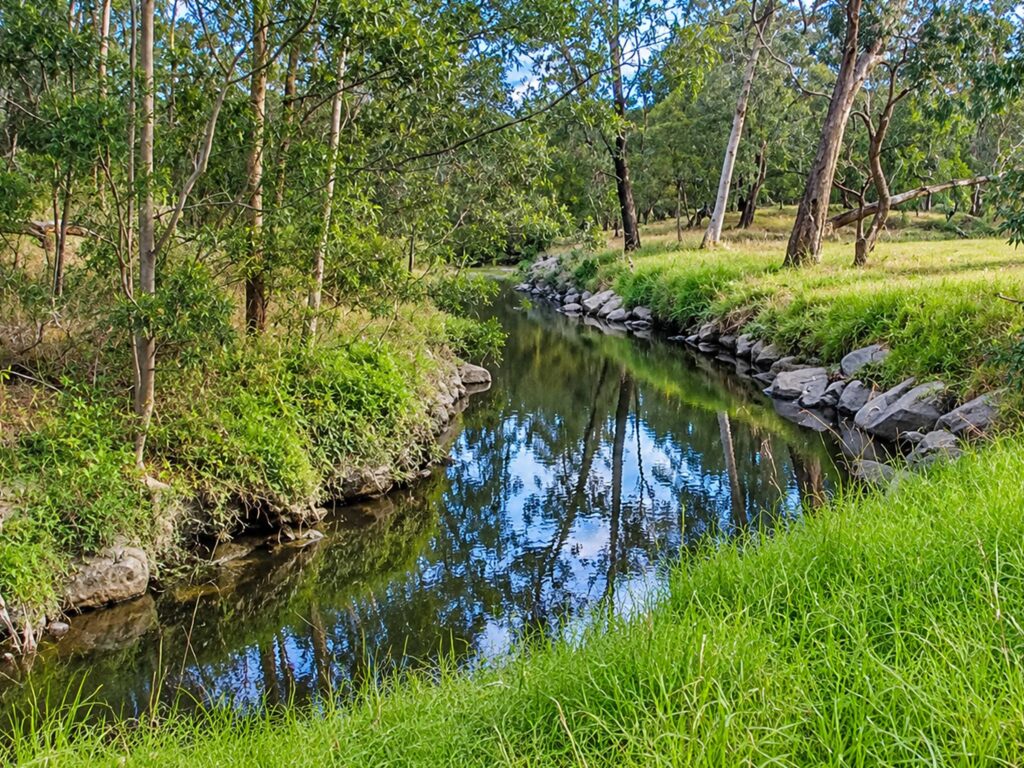
Before Kooyong was known for Federation residences, commuter rail platforms, or international tennis, its identity was written in water and reeds. The suburb takes its very name from Kooyongkoot, the Indigenous Woi-wurrung and Boonwurrung name for the winding waterway known today as Gardiners Creek, a phrase translated as the haunt of the waterfowl or a place of camp and rest.
Flowing along the northern and eastern edges of the suburb on its journey toward the Birrarung (Yarra River), this creek valley has quietly dictated how generations of people have gathered, travelled, built, and played in Kooyong. While the surrounding inner-eastern suburbs grew into dense residential neighbourhoods, the creek corridor remained the physical and cultural anchor holding Kooyong’s story together.
Thousands of Years of Living Connection on Kooyongkoot
For thousands of years prior to European settlement, the banks and billabongs of Kooyongkoot formed a vital seasonal resource for the Wurundjeri Woi-wurrung and Boonwurrung peoples. Rich riparian bushland, wetland grasses, and abundant birdlife sustained families moving thoughtfully across the catchment in rhythm with the seasons.
Along these shaded creek flats, native timber provided bark and wood for canoes, coolamons, and tools, while riverside reeds and grasses were woven into baskets, mats, and eel traps. Rather than treating the waterway merely as a boundary, Traditional Owners lived in reciprocal stewardship with the creek system, a deep cultural history recognised today through heritage markers and ongoing collaboration across the City of Stonnington.
From Floodplain Estates to Civic Open Space
When European pastoralists and surveyors arrived in the 1830s, the creek was renamed after early settler John Gardiner, who established grazing runs near its junction with the Yarra River in 1836. For decades, the low-lying flats of Kooyong remained largely rural, bordered by substantial nineteenth-century estates on higher ground and industrial clay pits that supplied Melbourne’s rapid Victorian-era brickmaking boom.
As residential subdivisions transformed Kooyong between 1902 and the late 1920s, the flood-prone valley floor resisted conventional housing. Instead, extensive drainage and land reclamation works turned the broad creek flats into enduring civic and recreational assets. Former quarry and clay-pit sites were progressively rehabilitated into community parklands such as Sir Robert Menzies Reserve, while adjacent riverside expanses became Sir Zelman Cowen Park and the sporting grounds that remain central to local club life.
A Corridor of Sport, Movement, and Daily Ritual
That geography explains why a suburb of fewer than a thousand residents hosts an extraordinary concentration of open space and community recreation. Throughout the twentieth century, the creek valley naturally accommodated sporting ovals, tennis courts, and pedestrian pathways that drew residents out of private gardens and into shared public life.
Today, the Gardiners Creek Trail follows the historic contours of the waterway through Kooyong, linking local parks with Melbourne’s wider metropolitan cycling and walking network. Early each morning, runners, dog walkers, school students, and city-bound cyclists share the valley floor, participating in a daily ritual of movement that mirrors the corridor’s long history as a natural travel route.
Healing and Reimagining an Urban Waterway
Like many inner-urban streams across Melbourne, Gardiners Creek bore the heavy imprint of twentieth-century engineering. Sections of the channel were straightened and lined with concrete to manage stormwater runoff, while adjacent motorway infrastructure altered the relationship between surrounding streets and the water’s edge.
In recent years, however, a broader civic shift has reshaped how Kooyong and its neighbouring communities view the valley. Guided by the Gardiners Creek (Kooyongkoot) Masterplan, local councils, waterway managers, Traditional Owners, and community groups have focused on restoring riparian biodiversity, introducing water-sensitive raingardens, upgrading shared trails, and reconnecting people with the natural ecology of the creek.
For Kooyong, the story of Kooyongkoot offers a broader perspective on what gives a neighbourhood lasting character. Beneath the manicured streetscapes and heritage rooftops lies an older, living landscape that has sheltered waterfowl, sustained First Peoples, shaped suburban planning, and anchored community recreation for centuries. As ecological restoration continues along its banks, Gardiners Creek remains the quiet thread linking Kooyong’s deepest heritage to its next chapter.