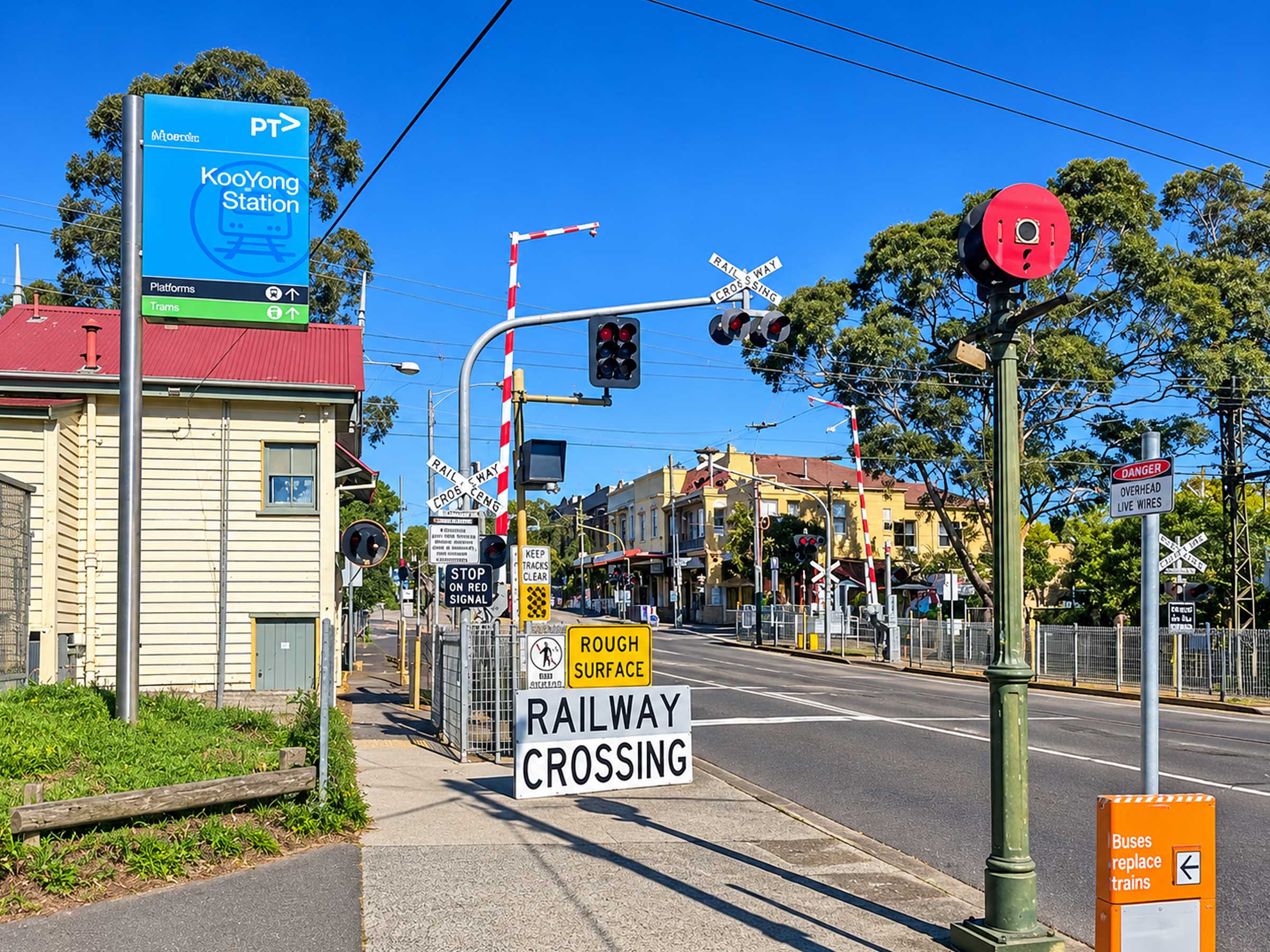

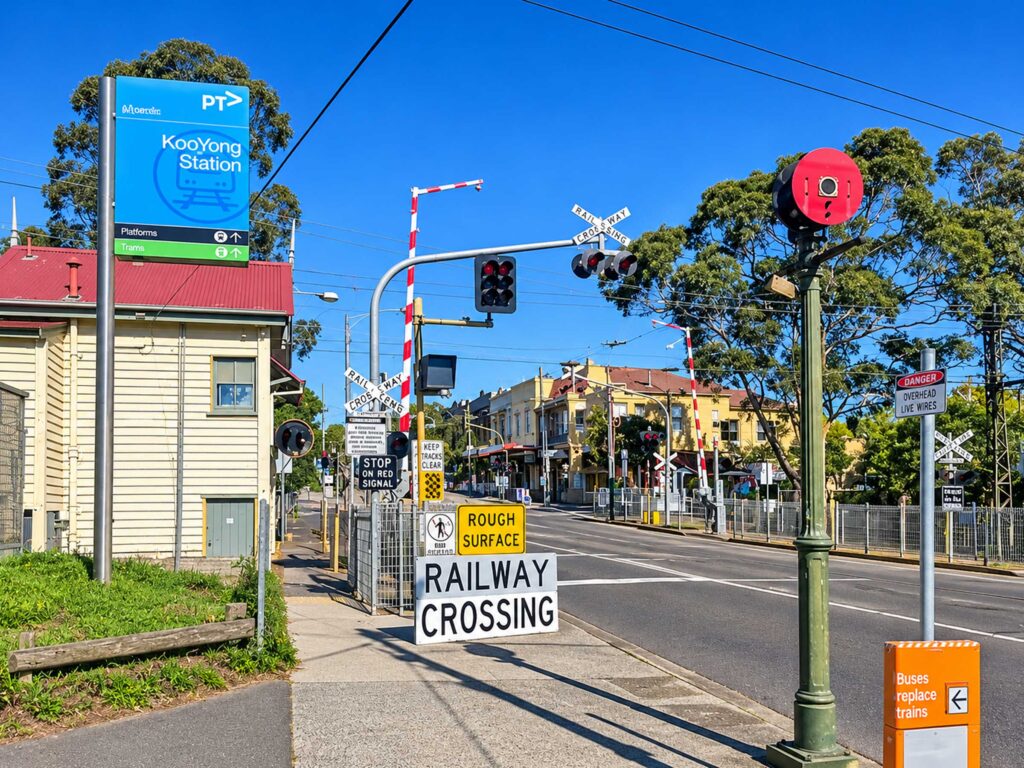
Every morning along Glenferrie Road, the familiar chime of pedestrian bells and the rhythmic clatter of metropolitan trains announce the daily pulse of Kooyong. While the suburb is celebrated worldwide for championship tennis and leafy residential avenues, its modern identity began in earnest on 24 March 1890, when Kooyong Station first opened along what is now the Glen Waverley railway line.
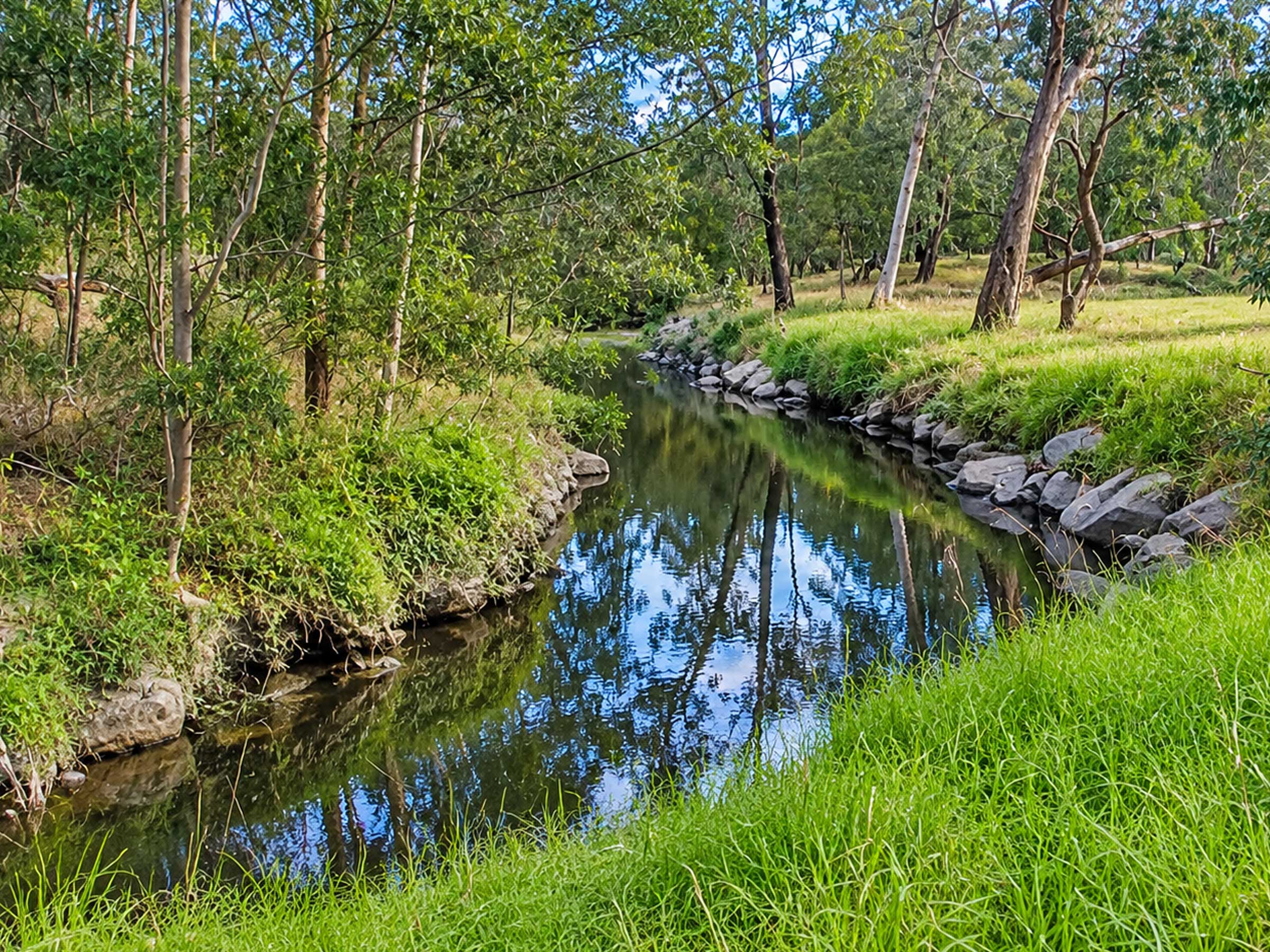
Before the arrival of steam locomotives, the pocket between Toorak and Hawthorn remained a quiet expanse of market gardens, grazing paddocks, brickworks, and gentleman’s estates overlooking Gardiners Creek. The construction of the railway line between Burnley and Darling fundamentally altered that landscape, stitching an isolated riverside district into Melbourne’s rapidly expanding suburban network.
A Railway Born of Melbourne’s Land Boom
During the late 1880s, Victoria experienced an extraordinary era of civic ambition and speculative expansion, with railway infrastructure leading the outward growth of the metropolis. Planners envisioned an Outer Circle and eastern branch network that would link emerging residential suburbs with central Melbourne, unlocking agricultural land for housing and recreation.
When the section of track from Burnley through Heyington and Kooyong to Darling opened in March 1890, the station immediately provided a vital transport spine. Although the severe economic depression of the 1890s slowed immediate subdivision, the presence of dependable rail access laid the groundwork for the residential boom that reshaped Kooyong between 1902 and the late 1920s.
Brickwork, Platforms, and Civic Craftsmanship
Suburban railway stations of the late nineteenth and early twentieth centuries were built not merely as functional transit stops, but as permanent civic landmarks. At Kooyong, the modest scale of the red-brick station buildings, timber-framed verandahs, and hedged embankments reflected the domestic architecture rising across surrounding streets.
Over subsequent decades, key milestones in Melbourne’s transport evolution passed directly through those platforms. Electrification of the line in the early 1920s replaced smoky steam services with cleaner, more frequent electric trains, while the intersection of the railway with the Glenferrie Road tramway created a compact multimodal interchange that still anchors daily life in the suburb.
The Station as Catalyst for Sporting and Village Life
Reliable rail transport proved decisive when the Lawn Tennis Association of Victoria sought a permanent headquarters capable of hosting major domestic and international crowds. Proximity to Kooyong Station enabled thousands of spectators to travel effortlessly from the Melbourne CBD when the Kooyong stadium opened in 1927, cementing the suburb’s place on the global sporting map.
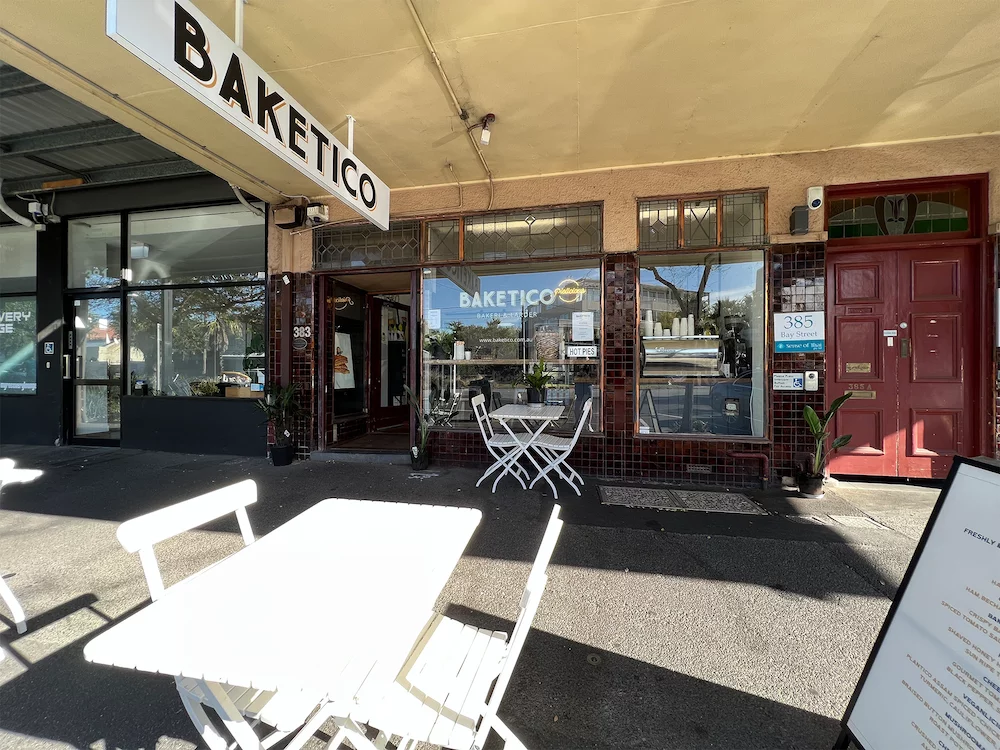
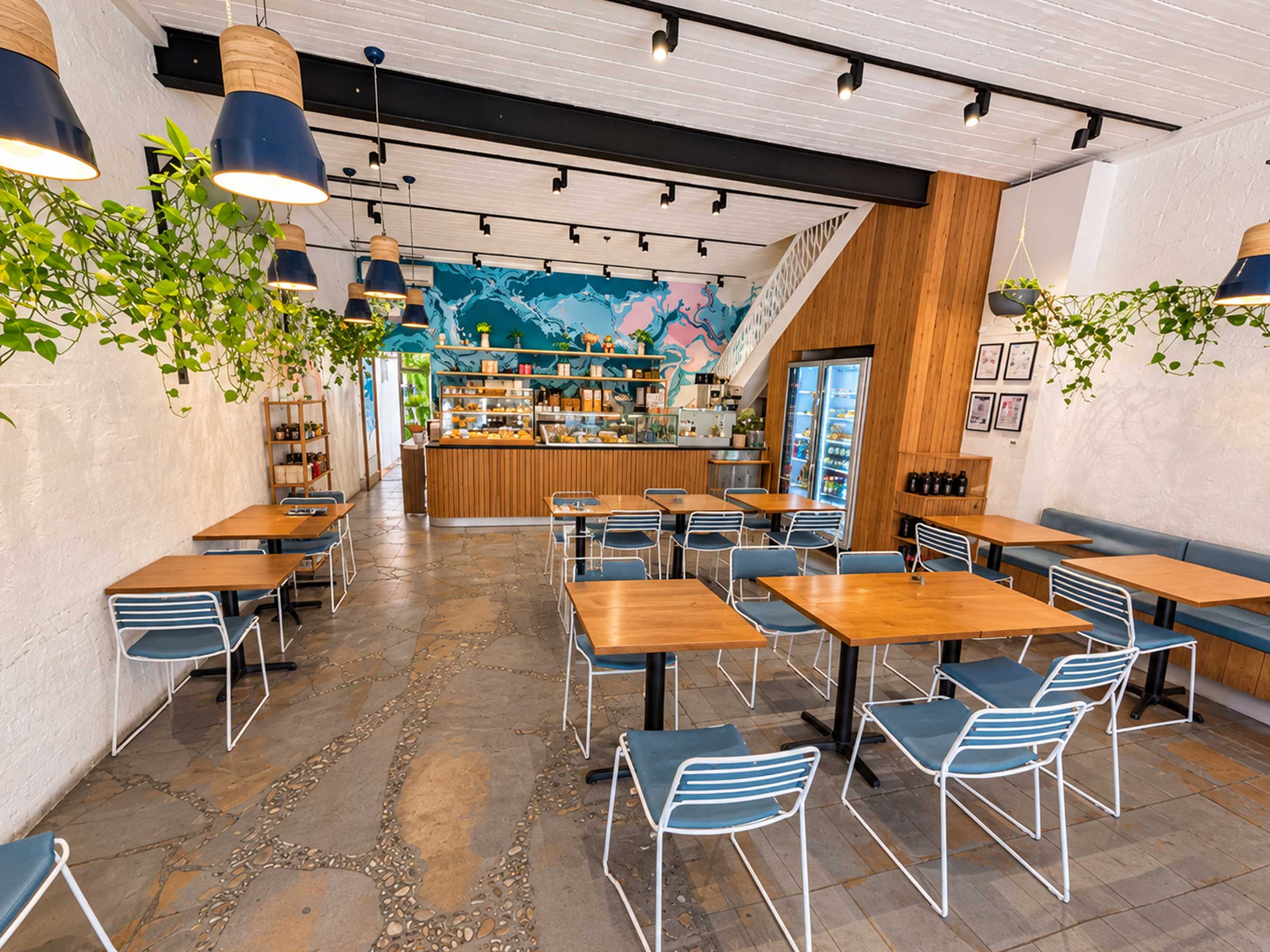
At a quieter, everyday level, the railway line shaped the geography of Kooyong’s compact commercial strip. Positioned immediately beside the Glenferrie Road level crossing, the station concentrated morning and evening foot traffic into a single block of ground-floor shopfronts, sustaining independent cafés, florists, and neighbourhood services across generations.
Navigating Change in a Heritage Transport Corridor
Across metropolitan Melbourne, twenty-first-century infrastructure programmes have reshaped dozens of suburban rail corridors through elevated viaducts and deep trenches. Yet within the City of Stonnington, Kooyong’s rail and tram intersection retains a distinctly human-scaled, street-level character that reflects more than 135 years of continuous operation.
Managed within Victoria’s metropolitan rail network and documented in Public Transport Victoria timetables, the station continues to serve commuters, students, and weekend visitors heading to Gardiners Creek parklands or the tennis courts. For a suburb home to fewer than a thousand residents, Kooyong Station remains far more than a point on a transit map. It is the historic threshold that turned a quiet river valley into an enduring Melbourne community.