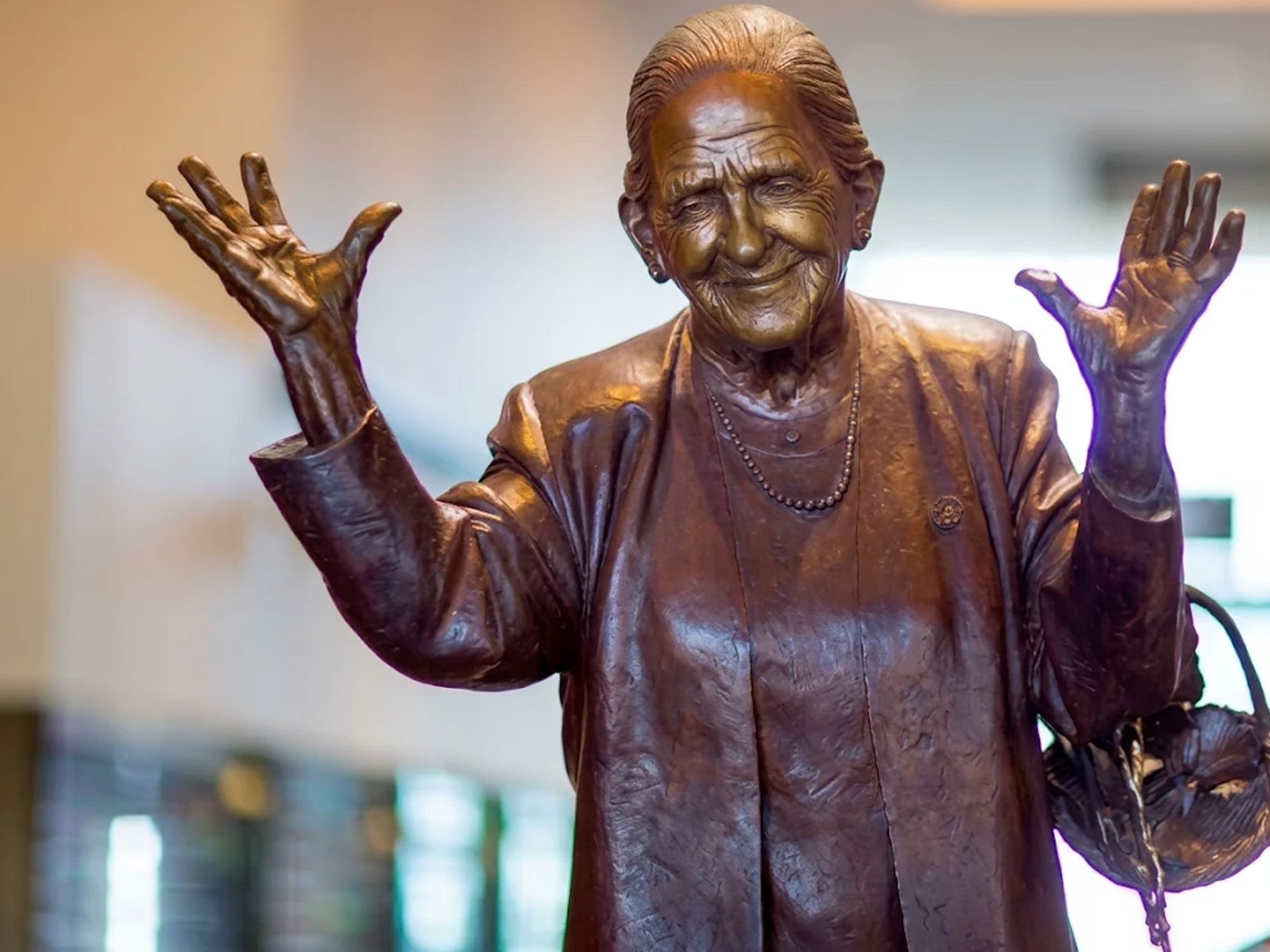

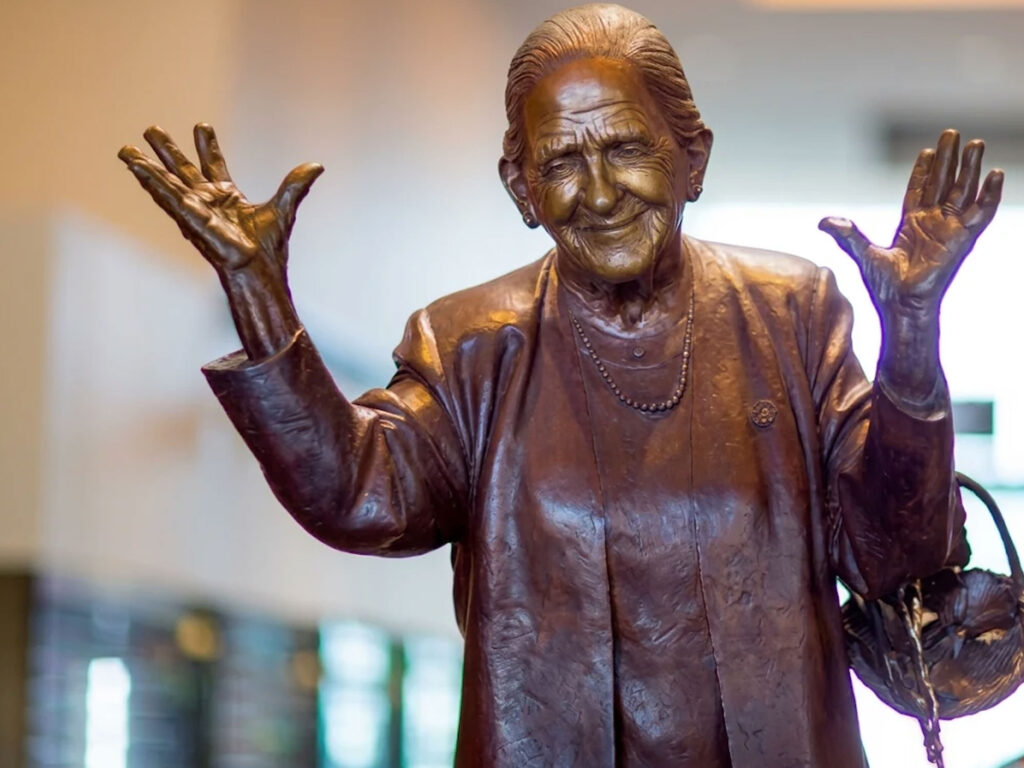
Long before her name became synonymous with national philanthropy and one of Victoria’s most celebrated private gardens, Dame Elisabeth Murdoch learned the rhythms of community life along the tree-lined streets of Toorak. Born Elisabeth Joy Greene in Melbourne on 8 February 1909, she spent her formative years in a household where civic duty, appreciation for the arts, and a deep affection for nature were woven into daily routine.
Over a life spanning 103 years, she emerged as one of Australia’s most respected public figures. Yet behind the accolades and formal titles stood a woman whose sense of responsibility remained grounded in the Melbourne neighbourhoods that shaped her youth.
An Upbringing Anchored in Toorak
During the early decades of the twentieth century, Toorak was defined by expansive family estates, quiet lanes, and a close-knit residential culture. Growing up in the suburb with her parents, Rupert and Marie Greene, young Elisabeth attended St Catherine’s School in Heyington Place, an institution whose emphasis on service and intellectual curiosity left a lasting impression.
Within her family’s Toorak garden, she developed an early fascination with plants, seasonal change, and careful stewardship of the land. Those childhood hours spent observing flowerbeds and tended lawns laid the foundation for a lifelong horticultural passion that would later flourish on a much larger scale at Cruden Farm in Langwarrin.
Life in Toorak also exposed her to Melbourne’s cultural and civic circles, yet her upbringing emphasised modesty and practical action over ostentation. Neighbours and contemporaries remembered a young woman equally comfortable discussing literature, tending garden borders, or organising community fundraising efforts.
A Partnership Built on Public Service
In 1928, at the age of nineteen, she married newspaper executive Sir Keith Murdoch. While her husband played a prominent role in Australian journalism and public affairs, Elisabeth carved out an independent sphere of influence dedicated to social welfare, health, and cultural institutions.
Even as family life expanded with the arrival of four children, she immersed herself in charitable governance rather than symbolic patronage. Those who worked alongside her quickly recognised that her involvement meant rigorous committee attendance, careful financial scrutiny, and personal empathy for the families served by each organisation.
Championing Children’s Health and the Arts
Among her most enduring contributions was a seven-decade association with the Royal Children’s Hospital in Melbourne. Joining its committee of management in 1933, she went on to serve as president from 1954 to 1965, guiding the institution through major post-war expansion and modernisation.
Her commitment extended well beyond bricks and mortar. She helped establish the Murdoch Children’s Research Institute, supporting paediatric medical research that continues to improve health outcomes for children across Australia and around the world. Her genuine warmth toward young patients, nurses, and medical researchers became a hallmark of her leadership.
Alongside healthcare, she championed visual arts, music, and conservation. Serving as the first woman appointed to the Council of Trustees of the National Gallery of Victoria, she advocated tirelessly for public access to cultural collections, believing that beauty and creativity belonged to the entire community rather than a privileged few.
Generosity Without Ostentation
What set Dame Elisabeth Murdoch apart in Melbourne public life was her quiet, consistent approach to giving. Over her lifetime, she supported more than one hundred charitable causes spanning disability services, youth welfare, botanical conservation, and regional community groups.
Appointed a Dame Commander of the Order of the British Empire in 1963 and a Companion of the Order of Australia in 1989, she wore every honour lightly. Rather than retreating behind formal ceremonies, she welcomed school groups, garden clubs, and charity visitors into her beloved gardens, sharing cuttings, stories, and encouragement with anyone who arrived at the gate.
A Living Legacy Across Melbourne
Following her passing in December 2012 at the age of 103, tributes from across Australia reflected the rare affection she commanded across generations. While her later decades were closely associated with her Mornington Peninsula property, her story remains inseparable from inner-east Melbourne and the Toorak community where her values first took root.
Today, every thriving research laboratory, public gallery wing, and community garden touched by her support stands as a reminder of how individual dedication can strengthen civic life. Through humility, perseverance, and an enduring love for people and landscapes alike, Dame Elisabeth Murdoch left a blueprint for purposeful citizenship that continues to inspire Melbourne residents today.