
In a fast-paced suburban routine often dictated by commuter timetables and screen time, finding simple ways to step outdoors and reset has become an essential pillar of modern wellbeing. Rather than relying solely on structured gym sessions or weekend road trips, many Melbourne residents are rediscovering the quiet value of neighbourhood walking circuits. In Oakleigh, a self-guided 3.5-kilometre route developed by the City of Monash turns a familiar suburban footprint into a restorative daily ritual, weaving together tree-lined civic avenues, early settlement landmarks and creekside bushland.
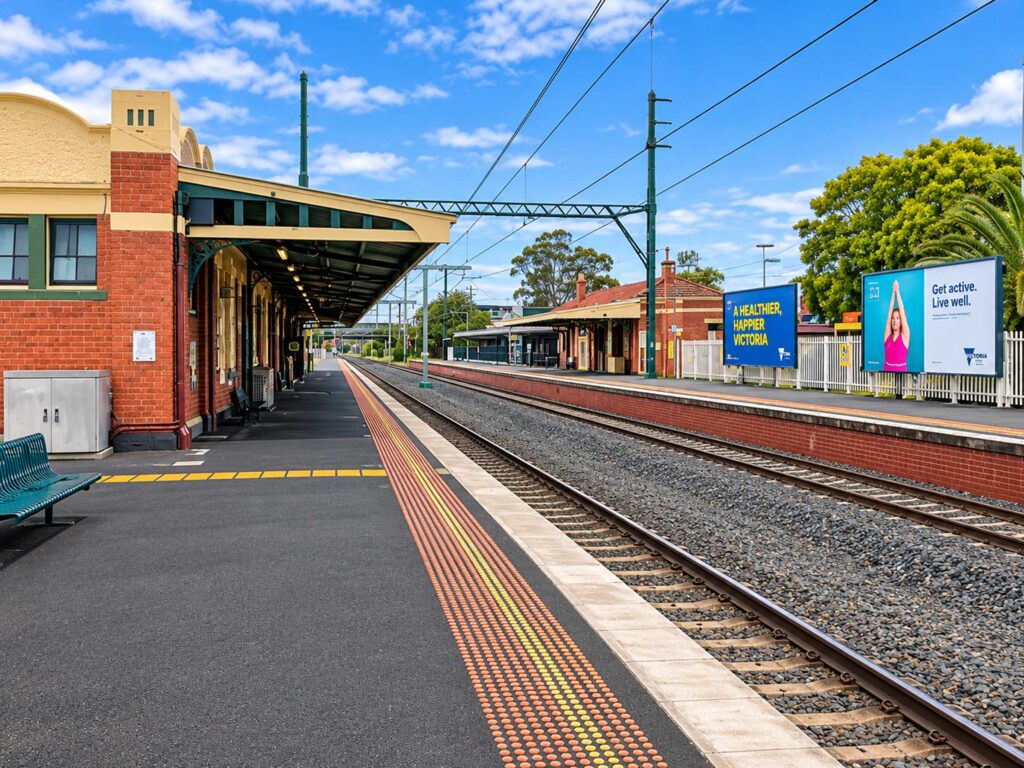
Designed to take between 90 minutes and two hours at an unhurried pace, the Oakleigh Historical Walk begins and ends at Oakleigh Railway Station. Its circular layout makes it equally suited to an early morning movement habit, a screen-free lunch break or a relaxed weekend stroll with family and friends. Because the route follows mostly flat, established footpaths and shared trails, it invites walkers of varying fitness levels to slow down and notice architectural and natural details easily missed from behind a windscreen.
Moving Through Civic Heritage on Drummond Street
Stepping north from Station Street and turning onto Atherton Road before heading down Drummond Street, walkers immediately enter one of the suburb’s most character-filled civic corridors. Locally designated as an Avenue of Honour following the First World War, Drummond Street pairs mature street trees with a remarkable concentration of early twentieth-century community architecture. Along the eastern side sit the Oakleigh Library, the 1906 Mechanics Institute and the 1928 Egyptian Church, facing the former Oakleigh Shire Offices established in 1922.
Walking past these enduring stone and brick facades encourages a slower, more observant rhythm. Continuing across the road past the RSL and through Oakleigh Memorial Park toward Warrigal Road, the path passes Warrawee Park Oval and the 1885 Oakleigh Primary School, distinguished by its First World War memorial gates. For residents looking to build gentle incidental exercise into their week, moving through open parkland and wide heritage streets provides visual variety that keeps regular walking routines engaging.
Following the Creekside Corridor to Early Settlement Roots
Beyond the Princes Highway crossing, where the 1885 former English, Scottish and Australian Bank stands on the corner of Drummond Street, the character of the walk shifts toward the suburb’s earliest residential footprint. Surveyed in 1853 between the highway and Scotchmans Creek, streets such as Dalgety Street were laid out with generous proportions and landscaped plantations that still lend the pocket an airy, unhurried atmosphere today.
Turning down Cole Crescent brings walkers onto a leafy stretch of the Scotchmans Creek Trail, where native canopy cover softens traffic noise and cools the air during warmer months. Near the Atkinson Street bridge stands a commemorative stone marking Oakleigh’s first European settlement in the 1850s and the site of its earliest licensed premises, Atkinson’s South Yarra Pound Inn. Crossing the creek and heading up Atkinson Street past Caloola Reserve and number 96 Atkinson Street, once home to Oakleigh’s first mayor Cr F W Binns, the route also passes elevated ground recognised as a traditional corroboree site for the Bunurong people prior to European settlement.
Integrating Mindful Walking into Everyday Suburban Life
Public health researchers and urban planners consistently note that accessible, culturally rich walking routes encourage people to stay active far more reliably than monotonous laps around a block. By pairing gentle cardiovascular movement with layered local storytelling, the circuit offers practical lifestyle benefits that extend beyond physical fitness:
- Accessible daily movement: At 3.5 kilometres with predominantly even surfaces, the loop fits comfortably into a morning or afternoon schedule without requiring specialised gear or transport.
- Mental decompression in green spaces: Transitioning from bustling commercial blocks to quiet creekside vegetation along Scotchmans Creek provides a natural buffer against everyday stress.
- Deeper neighbourhood connection: Learning the stories behind local parks, memorials and street layouts fosters a stronger sense of belonging and pride in the surrounding community.
A Natural Loop Back to Everyday Rituals
The final stretch of the walk turns right from Atkinson Street onto Atherton Road, leading past continental delis, fresh produce stores and independent specialty shops before returning via Station Street to the railway station. That seamless transition from quiet green corridors back into the warmth of Oakleigh’s everyday street life captures what makes suburban walking so rewarding. Instead of treating wellness as a separate chore detached from daily life, the circuit weaves fresh air, gentle exercise and local discovery directly into the fabric of the neighbourhood.