
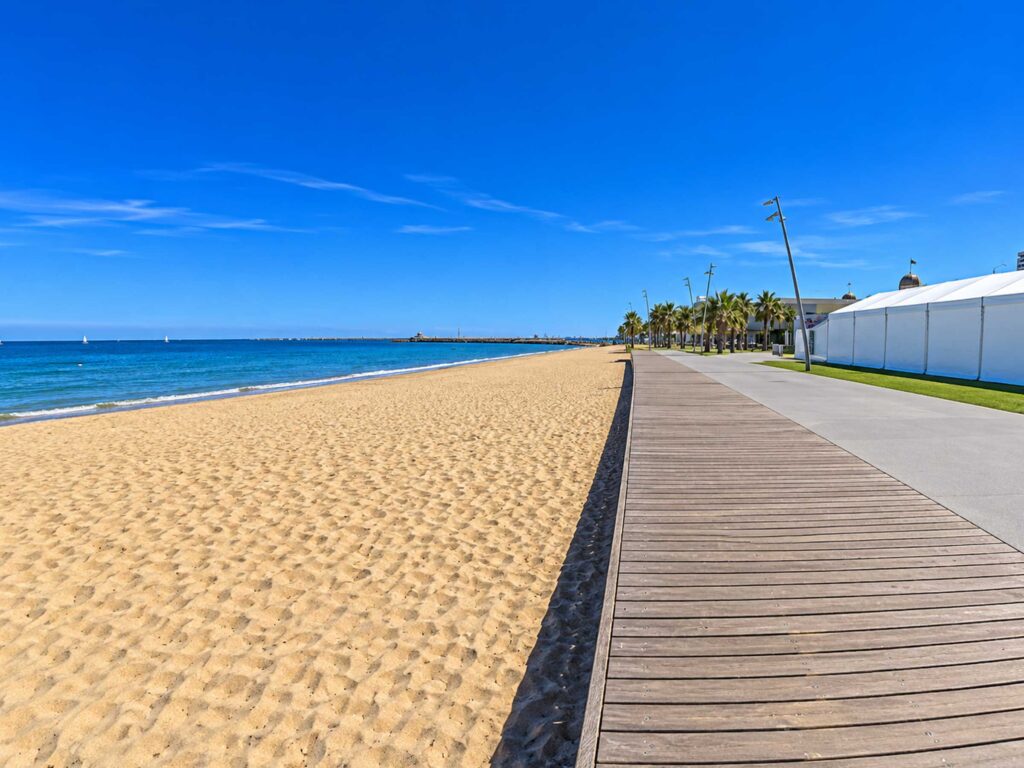
Few Melbourne neighbourhoods are as cleanly defined by their natural boundaries as Middle Park. Positioned roughly five kilometres south of the central business district, the suburb occupies a compact strip of coastal land wedged between the open water of Port Phillip Bay and the sweeping parkland of Albert Park Lake. That geography shapes almost every aspect of daily life, creating a self-contained residential pocket where cars frequently stay parked and daily routines unfold on foot.
While neighbouring St Kilda and South Melbourne draw steady streams of visitors to bustling commercial strips, Middle Park retains an unhurried, distinctly residential character. Its wide, plane-tree-lined avenues, intact Victorian and Edwardian streetscapes, and compact commercial village encourage a slower, more deliberate approach to everyday living.
A Geography Built for Walkable Wellbeing
At the 2021 Census, Middle Park recorded a population of around 4,000 residents, giving the suburb an intimate scale that is increasingly rare so close to the city. Because the distance between Beaconsfield Parade on the foreshore and Canterbury Road beside the parklands spans only a handful of residential blocks, green space and open water are never more than a few minutes from any front gate.
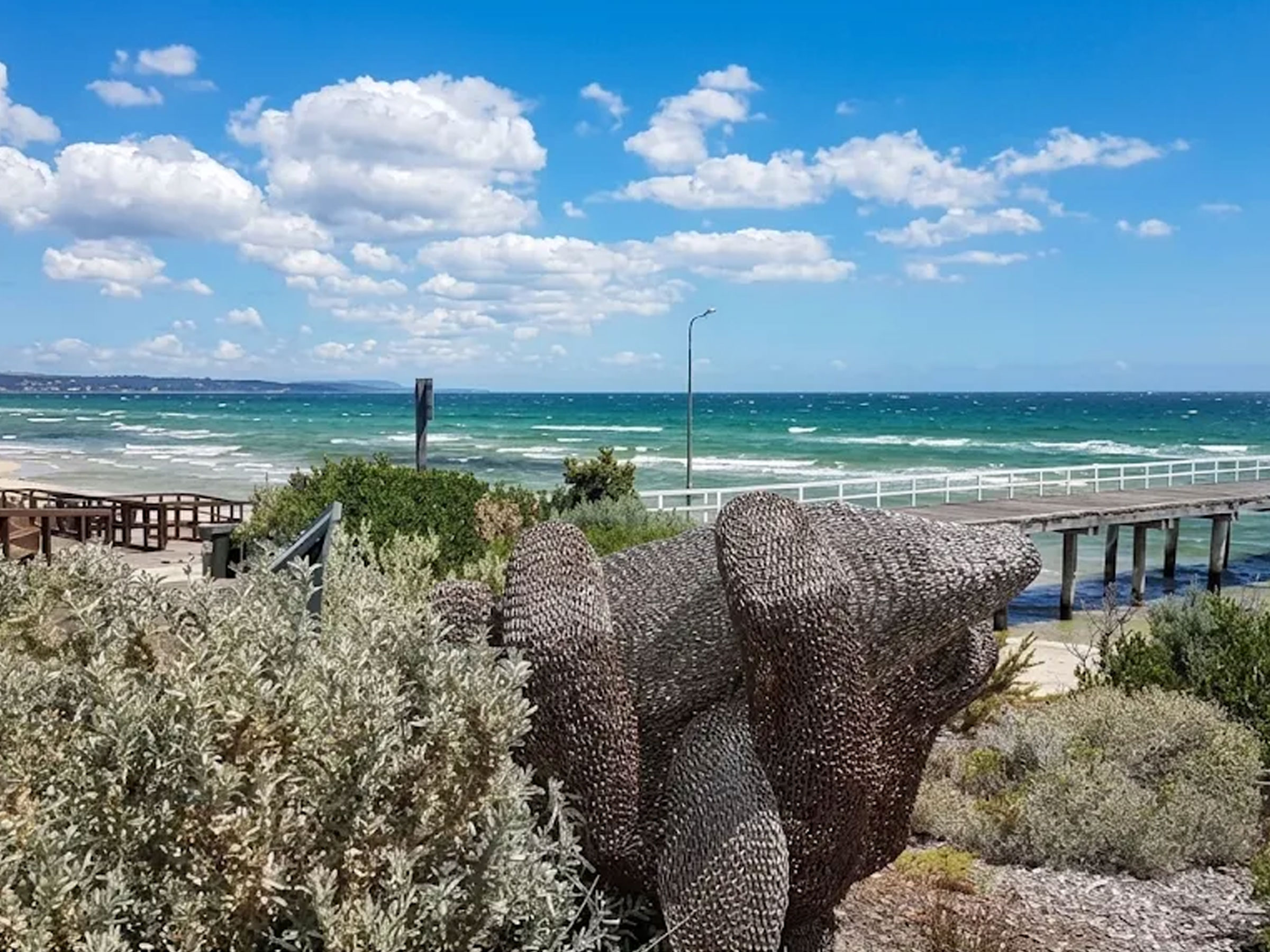
This layout turns outdoor movement into an effortless part of the daily schedule rather than a planned excursion. Early mornings regularly bring walkers, runners, and cyclists out onto the Bay Trail along Middle Park Beach, where broad stretches of sand look back toward the Melbourne skyline. Just across Canterbury Road, the roughly five-kilometre circuit around Albert Park Lake offers flat, tree-shaded paths frequented by dog walkers, rowers, and residents fitting in a quiet lap before work.
Two Distinct Coastal Moods
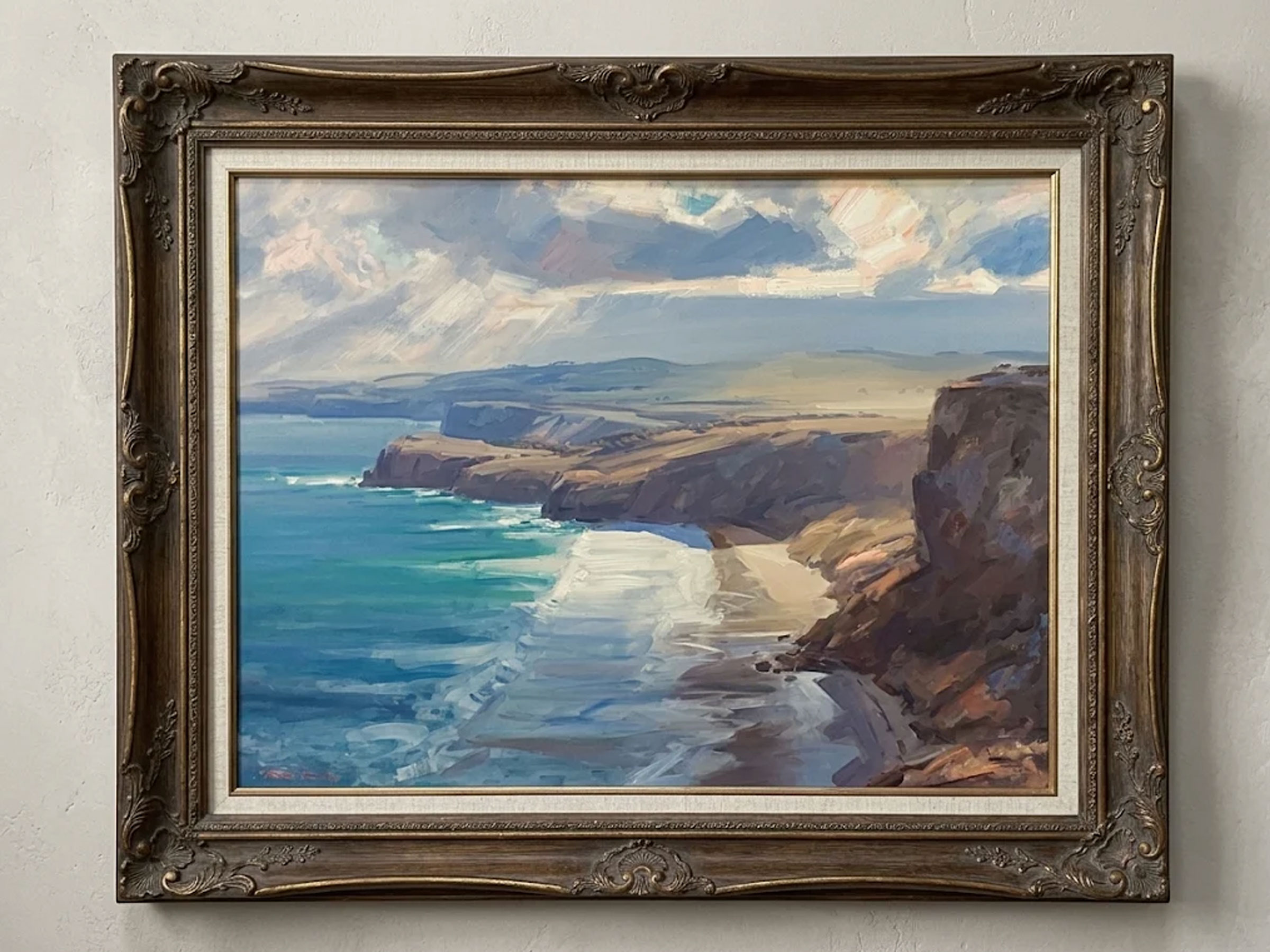
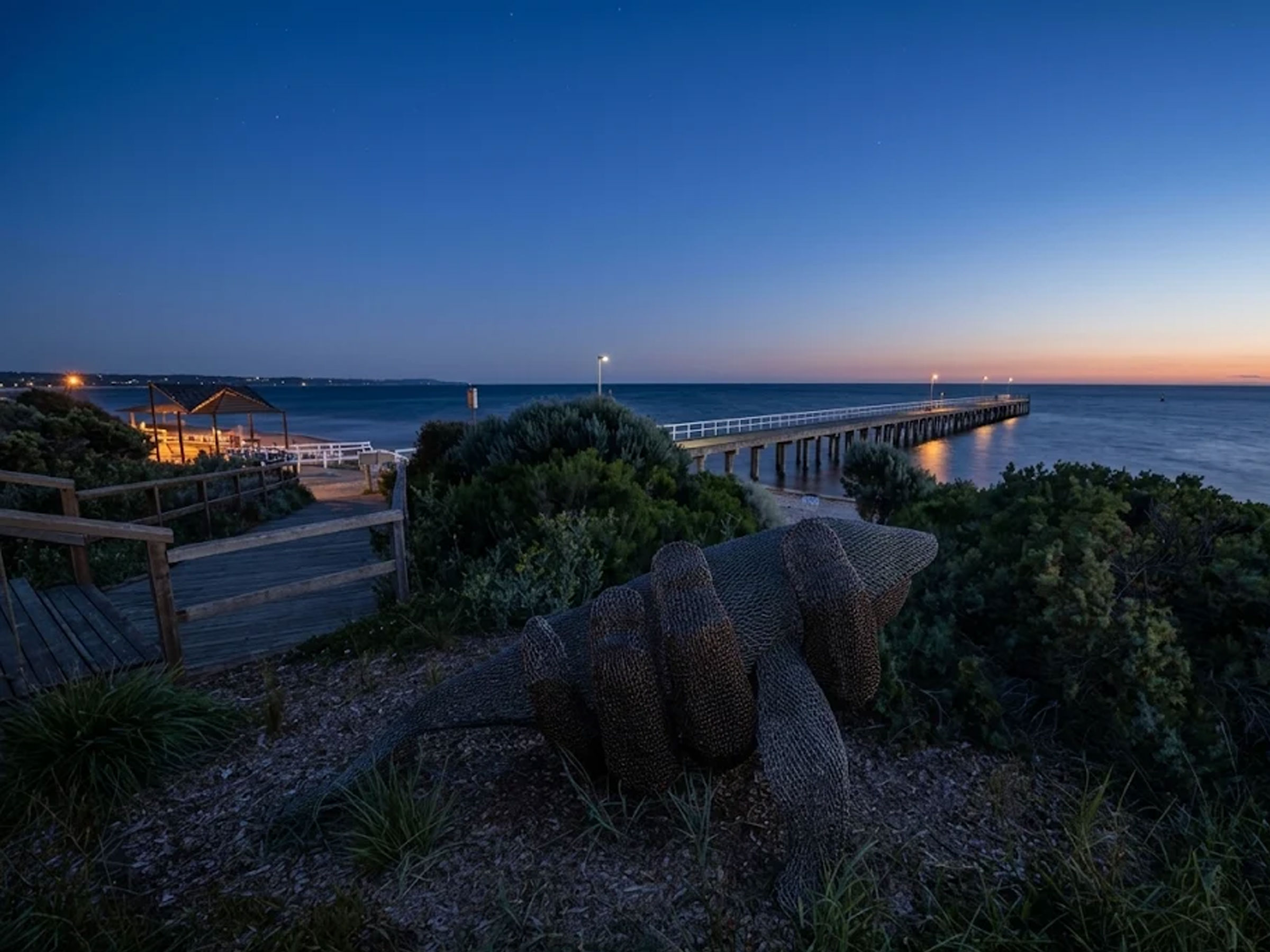
Living between two bodies of water gives locals a natural choice depending on the weather and the time of day. When a brisk southerly wind blows off Port Phillip Bay, the sheltered western edge of Albert Park Reserve provides calm air, birdlife, and open lawns. On still, warm evenings, the movement reverses toward the foreshore, where residents gather along the sand and promenade to watch ships cross Hobson’s Bay at dusk.
The Daily Rhythm of Armstrong Street
At the centre of this residential grid sits Armstrong Street, a single-block village hub that anchors the neighbourhood’s social and practical life. Anchored at its northern corner by the historic Middle Park Hotel, built in 1889 with ornate wrought-iron lacework, the strip functions as an informal town square where errands naturally turn into conversations.
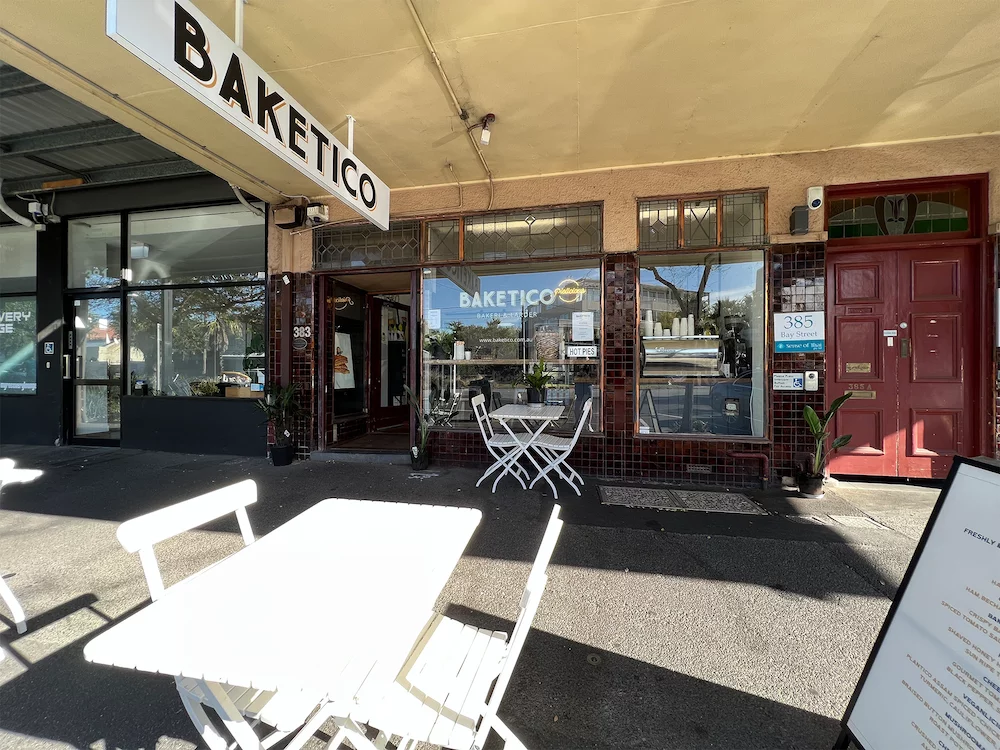
Rather than sprawling across multiple blocks, the village brings essential daily stops within a few doors of one another. Locals pick up morning coffee at Jack the Geezer or Hector’s Corner, collect sourdough and pastries from Ned’s Bake, and stock pantry baskets with Victorian produce and artisanal goods at Gum Tree Good Food. Just steps away beside the Route 96 light rail line on Canterbury Road, Mart 130 occupies a converted historic stationmaster’s building, serving commuters and weekend regulars alike.
Independent retail reinforces that personal, human-scale atmosphere. Long-standing boutiques such as Empress and giftware shop The Village Store reflect a neighbourhood culture that values longevity, familiar faces, and thoughtful curation over high-turnover trends.
Heritage Architecture and Quiet Cultural Anchors
The physical fabric of Middle Park plays a central role in how residents experience home life. Developed largely during the land boom of the 1880s and 1890s, the suburb is renowned for its rows of single- and double-storey Victorian terrace houses, polychrome brickwork, and cast-iron verandas. Heritage protections administered by the City of Port Phillip have preserved these streetscapes, ensuring that modern renovations sit respectfully behind historic facades.
Beyond its residential streets, subtle cultural institutions add depth to the suburb’s quiet character. On Richardson Street, the Gothic red-and-buff brick Carmelite Church, constructed in 1891, stands beside the Carmelite Library, a specialist theological and spiritual collection housed in the heritage Carmelite Hall that welcomes researchers and curious readers. Nearby on the corner of Richardson and Wright streets, Middle Park Primary School has educated local children since 1887, anchoring generations of families to the same leafy blocks.
A Connected Pace of Bayside Living
Modern urban planning often treats liveability as a checklist of amenities, yet Middle Park demonstrates how geography, architecture, and human scale work together organically. With direct tram links along Canterbury Road and Danks Street connecting residents to the city in minutes, the suburb remains thoroughly plugged into wider Melbourne while preserving the calm of a coastal village.
For those who call its heritage streets home, lifestyle is defined less by spectacle than by consistency: a morning swim or walk beside the bay, a familiar coffee order on Armstrong Street, and the quiet satisfaction of living in a neighbourhood built at a human pace.