
Gardening beside Port Phillip Bay asks for a different mindset than tending a sheltered suburban backyard further inland. Across Port Melbourne, afternoon sea breezes carry salt spray deep into residential streets, summer heat radiates off brick laneways and apartment balconies, and underlying sandy soils drain rapidly. Yet a growing number of local residents are discovering that the most reliable way to cultivate a lush, resilient garden is to look directly at the flora that evolved on this coastline long before industrial wharves and Victorian terraces arrived.
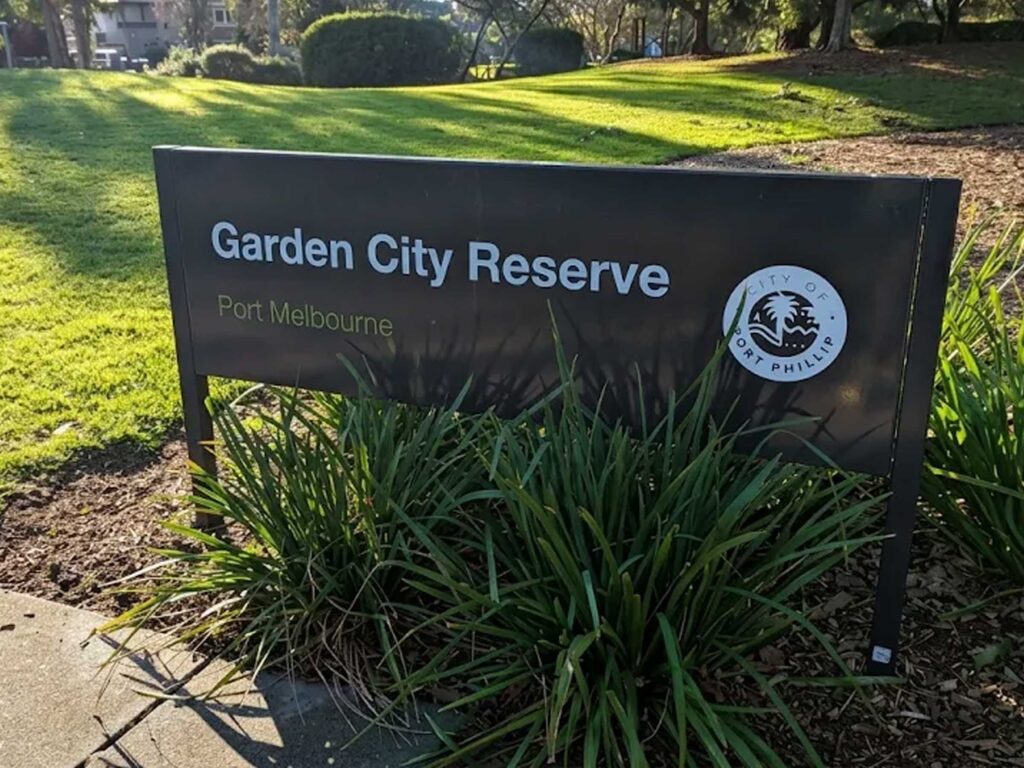
Ecologists classify the municipality within Melbourne’s south-eastern Sandbelt, a coastal landscape once defined by dune scrub, saltmarsh, banksia woodland and grassy plains. Rather than fighting salty gusts and dry summers with water-hungry exotic ornamentals, households from Beacon Cove to Garden City are turning to locally indigenous plants. Propagated from local provenance seed, these species are naturally adapted to coastal conditions and play a vital role in linking fragmented urban green spaces for native bees, butterflies and woodland birds.
A Nursery Rooted in Local Restoration
At the heart of this grassroots shift is Westgate Biodiversity, the not-for-profit organisation behind the ecological transformation of Westgate Park beneath the Westgate Bridge. What began in 1999 when founder Naomie Sunner and early volunteers set out to replace degraded industrial grassland with native bushland has grown into 40 hectares spanning nine distinct indigenous ecosystems.
Tucked at 525 Williamstown Road behind the football oval, the organisation’s retail outlet, Bili Nursery, serves as both a seedbank for public revegetation and a practical resource for home gardeners. Having supplied the indigenous flora used to restore coastal sites such as Sandridge Beach, Lagoon Reserve and Gills Reserve, the nursery offers local residents affordable forestry tubes alongside species advice tailored to microclimates across the suburb.
Designing for Courtyards and Coastal Balconies
One of the enduring myths about Australian native plants is that they require sprawling acreage to look their best. In reality, many Sandbelt groundcovers, wildflowers and tussock grasses stay compact, making them well suited to narrow Victorian courtyards, townhouse entries and wind-exposed apartment balconies along the waterfront.
Hardy Performers for Pots and Small Spaces
For sunny balconies or bricked courtyards that bear the brunt of afternoon winds, coastal groundcovers offer texture and seasonal colour without demanding constant irrigation. Creeping boobialla (Myoporum parvifolium) forms a dense green mat dotted with small white flowers, while Ross’ noonflower or karkalla (Carpobrotus rossii) brings succulent resilience and bright magenta blooms to shallow containers and rockeries.
Adding vertical movement and colour is equally straightforward with compact wildflowers and lilies. Tufted bluebells (Wahlenbergia communis), common everlasting or yellow buttons (Chrysocephalum apiculatum), and chocolate lilies (Arthropodium strictum) thrive in well-drained potting mixes and attract native pollinators high above street level. Where a trailing accent is needed over a balcony planter or retaining wall, purple coral pea (Hardenbergia violacea) and ruby saltbush (Enchylaena tomentosa) provide year-round structure and food for small birds.
Reimagining the Suburban Nature Strip
Beyond the front gate, nature strips have become one of the most visible canvases for everyday environmental stewardship in Port Melbourne. Under the City of Port Phillip nature strip guidelines, residents do not need a council permit to replace thirsty turf grass with a biodiverse verge garden, provided plantings follow clear safety and sightline standards.
Converting a traditional grass verge into a low-growing indigenous garden reduces summer mowing, helps absorb stormwater runoff before it reaches the bay and softens hard streetscapes. Low-profile species such as kidney weed (Dichondra repens), creeping saltbush (Atriplex semibaccata), knobby club-sedge (Ficinia nodosa) and wallaby grasses (Rytidosperma species) keep foliage well below pedestrian and driver sightlines while creating a continuous green ribbon along residential streets.
Practical Habits for Thriving Indigenous Gardens
Establishing indigenous plants in a coastal suburb relies on working with seasonal rhythms rather than heavy intervention. Autumn and spring provide ideal planting windows, allowing young tube-stock roots to settle into warm soil while rainfall is reliable, ahead of peak summer heat.
Preparation remains simple. Loosening compacted soil, clearing invasive weeds and applying a coarse, low-nutrient mulch helps retain moisture without altering the lean soil conditions many Sandbelt species prefer. Once established, most coastal natives require minimal supplementary watering and thrive without synthetic fertilisers, which can harm phosphorus-sensitive Australian flora.
By weaving indigenous grasses, wildflowers and coastal shrubs into everyday domestic spaces, Port Melbourne residents are proving that sustainable gardening does not require a rural block. Even a cluster of balcony planters or a modest street verge can restore a living piece of the bay’s natural heritage right outside the front door.