
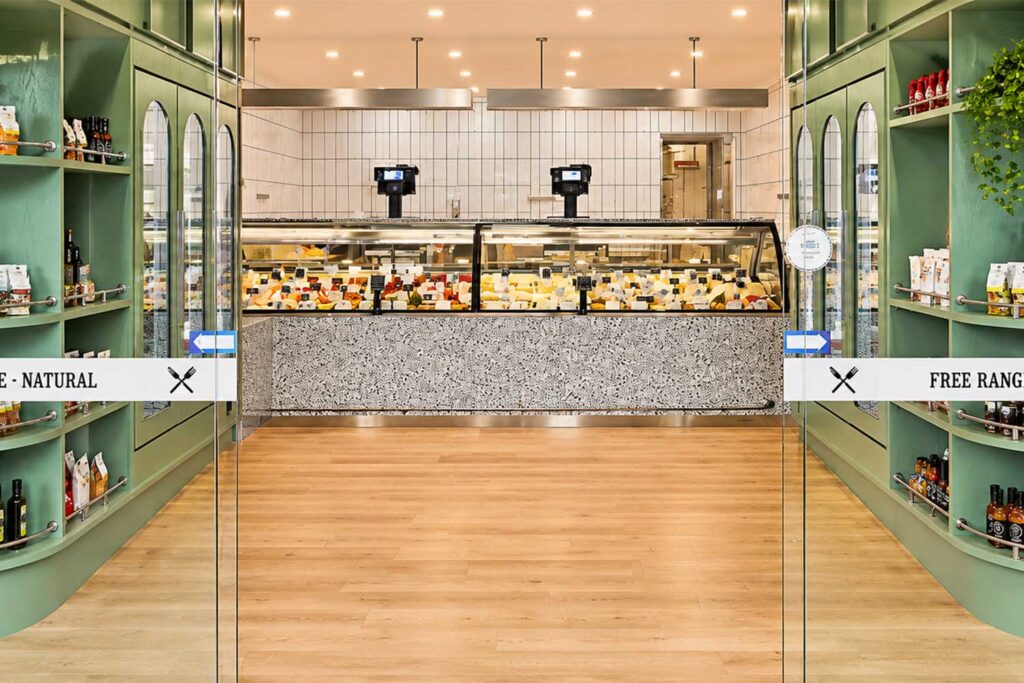
Along the bustling retail stretch of 85 Church Street, Church Street Butcher anchors a vital corner of Brighton’s daily food economy. While suburban shopping strips increasingly lean toward hospitality and fashion, traditional specialty food retailers remain essential to how local households shop, cook and entertain. Operating seven days a week in the heart of the village, this independent butcher shop demonstrates how heritage trade skills can evolve alongside modern household routines.
Ethical Provenance and Australian Pasturelands
At the core of the business is a strict sourcing philosophy centred on animal welfare and agricultural provenance. Rather than treating meat as an interchangeable commodity, Church Street Butcher draws its beef, lamb, pork and chicken from pasturelands across southern Australia and Tasmania. Every cut is free-range and raised without added hormones or antibiotics, reflecting a broader consumer shift toward transparent supply chains and responsible farming practices.
Working with suppliers who adhere to high Australian animal welfare standards allows the store to maintain consistency across a catalogue of roughly 170 distinct cuts. For home cooks, that direct link between farm standards and the retail counter translates into reliable quality whether selecting a midweek steak or planning a multi-course dinner party.
Craftsmanship Behind the Counter
In an era dominated by pre-packaged supermarket trays, the presence of qualified butchers cutting and preparing meat by hand remains a defining point of difference. Inside the Brighton shop, staff select, trim and portion cuts to order, adjusting thickness, weight and preparation according to how a customer intends to cook.
That human expertise extends beyond knife work. Neighbourhood butchers frequently act as informal culinary advisors, helping shoppers match secondary cuts to slow-cooking methods, calculate portions for family gatherings or choose appropriate marinades and seasonings. By keeping traditional trade knowledge accessible at the counter, the business builds trust with both confident home cooks and customers seeking practical guidance in the kitchen.
Adapting Traditional Retail for Busy Households
Sustaining a specialist food business on a high-profile suburban high street requires balancing purist craft with everyday convenience. Recognising that time-poor families and professionals often want to assemble a complete meal in a single stop, Church Street Butcher pairs its raw meat counter with a curated range of complementary pantry and entertaining items.
- House-prepared, ready-to-cook options including crumbed chicken tenderloins, thigh schnitzels, rissoles and gluten-free sausages.
- Heat-and-serve meals such as lasagne, soups, fresh pastas and sauces.
- Entertaining essentials spanning charcuterie, cheeses, dips and crackers.
- A focused selection of Victorian and South Australian wines chosen to complement red and white meats.
Operational accessibility further strengthens its local relevance. Maintaining seven-day trading hours accommodates weekend entertainers and weekday commuters alike, while an online ordering platform and dedicated delivery service extend the shop’s reach beyond walk-in foot traffic. Orders can be collected in-store or delivered across 18 Bayside suburbs, bridging the gap between neighbourhood shopfront service and digital retail expectations.
Strengthening Brighton’s Independent Food Ecosystem
Independent food merchants play a distinct role in keeping suburban centres active throughout the week. Alongside nearby cafés, bakers, greengrocers and specialty stores, Church Street Butcher contributes to the daily rhythm that draws residents back to Church Street’s retail village rather than defaulting to large out-of-centre shopping complexes.
By supporting qualified tradespeople, championing free-range Australian producers and tailoring its service model to local lifestyles, the business illustrates how traditional suburban retail continues to thrive. On a street celebrated for its heritage architecture and coastal village atmosphere, a well-run neighbourhood butcher remains one of the clearest indicators of a healthy local economy.