
Tucked behind a welcoming community hub on Kooyong Road lies a thriving pocket of productive greenery that challenges the conventional layout of suburban backyards. While private blocks across Melbourne’s south-east continue to balance modern density with shrinking outdoor footprints, Caulfield South Community Garden demonstrates how shared stewardship can turn a modest parcel of land into an abundant, everyday sanctuary for food production and neighbourhood connection.
Operating at the rear of Caulfield South Community House, a non-profit, volunteer-governed organisation that has served the area since 1988, the garden eschews the traditional model of fenced, individual plots. Instead, it functions entirely as a collaborative space. Every raised bed, fruit tree, and herb border is planned, planted, and maintained collectively by a dedicated group of local residents, creating an open and inclusive environment where knowledge is traded as freely as seasonal harvests.
A Collaborative Approach to Urban Cultivation
For many apartment dwellers, downsizers, and time-poor families in Caulfield, maintaining a productive vegetable patch at home presents practical hurdles. Limited sunlight, compact courtyards, and the demands of year-round soil care often stand in the way of growing fresh produce. By pooling time, tools, and horticultural experience, the garden’s volunteers remove those barriers while fostering a deeper understanding of seasonal rhythms.
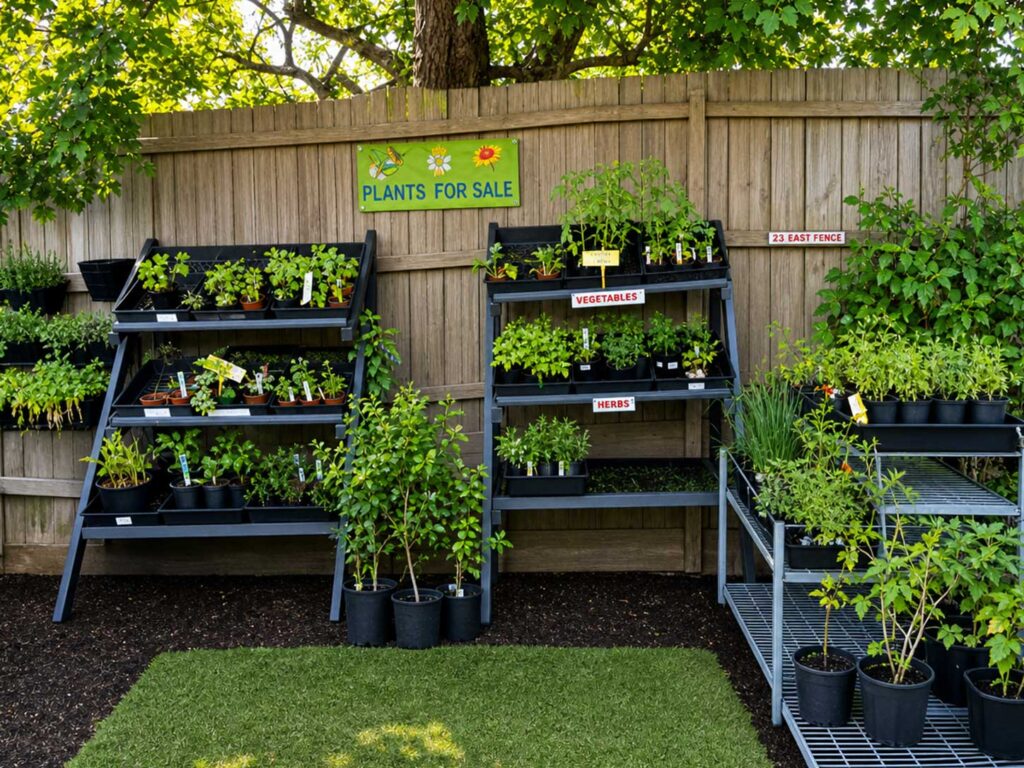
Inside the garden at 450–452 Kooyong Road, organic principles guide every stage of cultivation. Volunteers manage soil health through on-site organic composting, careful mulching, and chemical-free pest management. Seasonal vegetables, culinary herbs, and fruiting trees grow alongside pollinator-attracting blooms, while a small flock of resident chickens contributes to the garden’s closed-loop ecosystem by turning kitchen greens into nutrient-rich fertiliser.
Rather than measuring success solely by crop yields, the initiative emphasises skill-sharing and accessible learning. Newcomers with little gardening background work side by side with seasoned green thumbs, picking up practical techniques in pruning, seed saving, and water-wise planting that can be applied on a sunny balcony or a full suburban block.
Strengthening Suburban Biodiversity
The focus on ecological gardening reflects a broader environmental shift across the municipality. According to the Glen Eira City Council Biodiversity Plan 2025–2029, private homes and gardens account for nearly two-thirds of the municipality’s land area, making residential and community green spaces vital corridors for urban wildlife. As older suburbs evolve, fragmented habitats and hard surfaces place increasing pressure on local birds, insects, and reptiles.
Community green spaces help bridge these ecological gaps. Through initiatives such as Glen Eira City Council’s Gardens for Wildlife program, residents are encouraged to layer indigenous grasses, flowering shrubs, and groundcovers alongside edible plantings to support native pollinators like blue-banded bees, honeyeaters, and delicate garden skinks. Within the community garden, avoiding synthetic pesticides and maintaining healthy soil biology ensures that beneficial insects and birds remain active partners in keeping the patch balanced.
Practical Habits for Everyday Sustainable Living
For locals inspired to bring similar sustainable practices into their own routines, the rhythms of **Caulfield South Community Garden** highlight several accessible starting points:
- Build living soil first: Incorporating kitchen scraps into a home compost bin or worm farm reduces household landfill waste while creating slow-release nutrition for potted herbs and garden beds.
- Layer plants for pollinators: Pairing culinary herbs such as rosemary, sage, and basil with indigenous flowering plants attracts predatory insects and native bees that naturally boost vegetable pollination.
- Prioritise water-wise mulching: Applying a generous layer of coarse organic mulch protects roots during Melbourne’s dry summer stretches and suppresses weeds without chemical intervention.
- Share surplus harvests: Participating in local seed, plant, or produce swaps keeps excess backyard citrus, herbs, and seedlings circulating within the neighbourhood rather than going to waste.
Rooted in Everyday Community Life
Beyond its environmental impact, the garden serves as an anchor for social wellbeing in Caulfield. Operating alongside Caulfield South Community House’s broader calendar of early learning programs, creative classes, and social groups, the outdoor space naturally draws together residents across generations. Weekly gatherings, such as the centre’s walking group and Caulfield South Community Garden catch-ups, turn routine outdoor maintenance into an informal forum for conversation and mutual support.
That sense of connection is further reinforced by a wider network of grassroots sustainability groups across the postcode, including local street-care volunteers, climate action advocates, and indigenous plant propagation nurseries working to green surrounding reserves and streetscapes. Together, these community-led efforts show that environmental stewardship in an established suburb does not require sweeping lifestyle overhauls.
In a suburb prized for its leafy streetscapes and proximity to major parks, Caulfield South Community Garden offers a quieter, hands-on expression of local life. By turning an ordinary patch of suburban earth into a shared classroom and larder, it reminds residents that the healthiest neighbourhoods are cultivated together, one season at a time.