
Walk from the bluestone laneways behind Rathdowne Street across to the tree-lined avenues bordering Princes Park, and the architecture of Carlton reads like a physical archive of human movement. Beneath ornate Victorian iron lacework, repurposed corner shopfronts and modernist public housing towers lies a deeper human story shaped not by a single era or one famous figure, but by successive generations of migrants who arrived with little more than determination and built a lasting sense of home.
Few inner-Melbourne neighbourhoods illustrate the city’s evolving social fabric as vividly as Carlton. Over more than a century and a half, newcomers from Eastern Europe, southern Italy, East Africa and beyond have used its compact terraces, community halls and public squares as stepping stones into Australian life, transforming the suburb into a living mosaic of shared memory and neighbourly resilience.
Early Arrivals and the Foundations of a Working Suburb
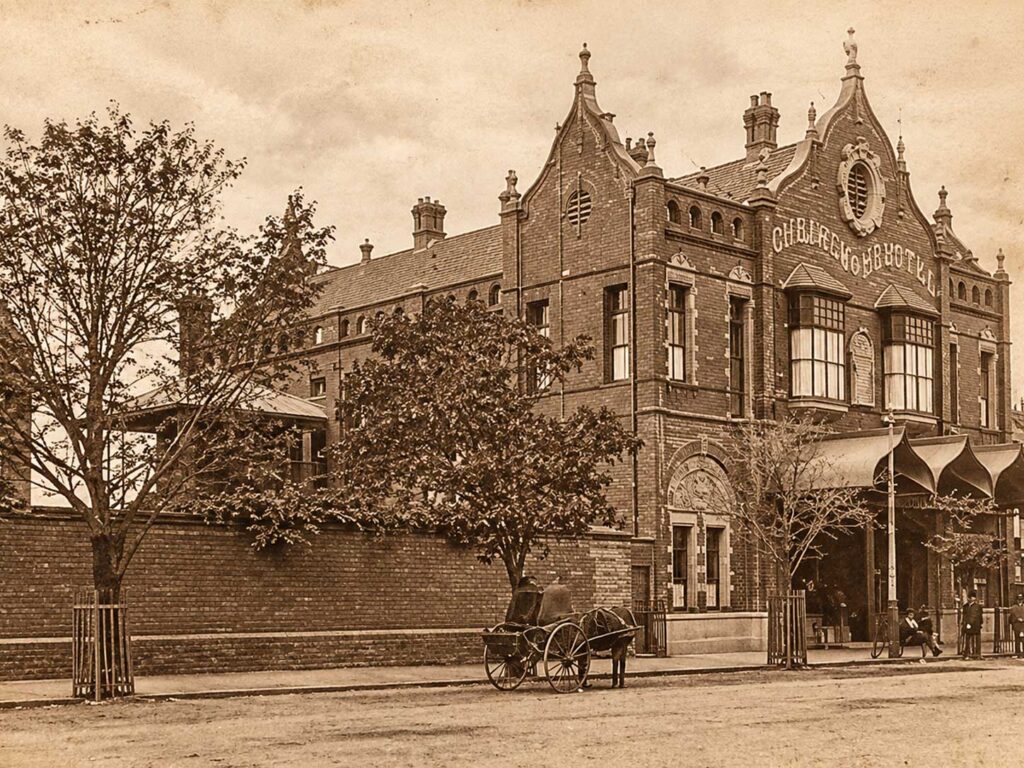
Laid out in the 1850s during the height of the Victorian gold rush, Carlton grew rapidly as a working-class residential district close to the city centre. By the late nineteenth and early twentieth centuries, its affordable cottages and proximity to clothing factories, markets and workshops drew thousands of Eastern European Jewish migrants fleeing persecution and economic hardship.
For decades, the streets around Rathdowne, Drummond and Canning streets formed the heart of Melbourne’s Jewish community. Families established kosher bakeries, delis, tailors’ workshops, mutual aid societies and synagogues, while local halls hosted Yiddish theatre, political debates and literary circles. The Kadimah Jewish Cultural Centre and National Library, founded in 1911 and long rooted in Carlton before later relocating south of the river, began in the neighbourhood as a vital gathering place for education, theatre and newcomer support.
As those early families gradually prospered and moved toward outer suburbs in the mid-twentieth century, they left behind community infrastructure, civic organisations and an established tradition of welcoming new arrivals.
Post-War Italian Life and the Making of Lygon Street
Following the Second World War, another transformative chapter unfolded as tens of thousands of Italian migrants arrived in Victoria seeking stability and opportunity. Drawn by low rents, proximity to industrial employment and existing social networks, Italian families settled in Carlton in remarkable numbers throughout the 1950s and 1960s.
In an era when Australian cities largely shut down after dusk and suburban life remained insular, southern European newcomers reshaped Carlton’s public culture from the ground up. Boarding houses and modest Victorian terraces became hubs of extended family life, where home-bottled passata, backyard vegetable patches and multi-generational households eased the shock of displacement.
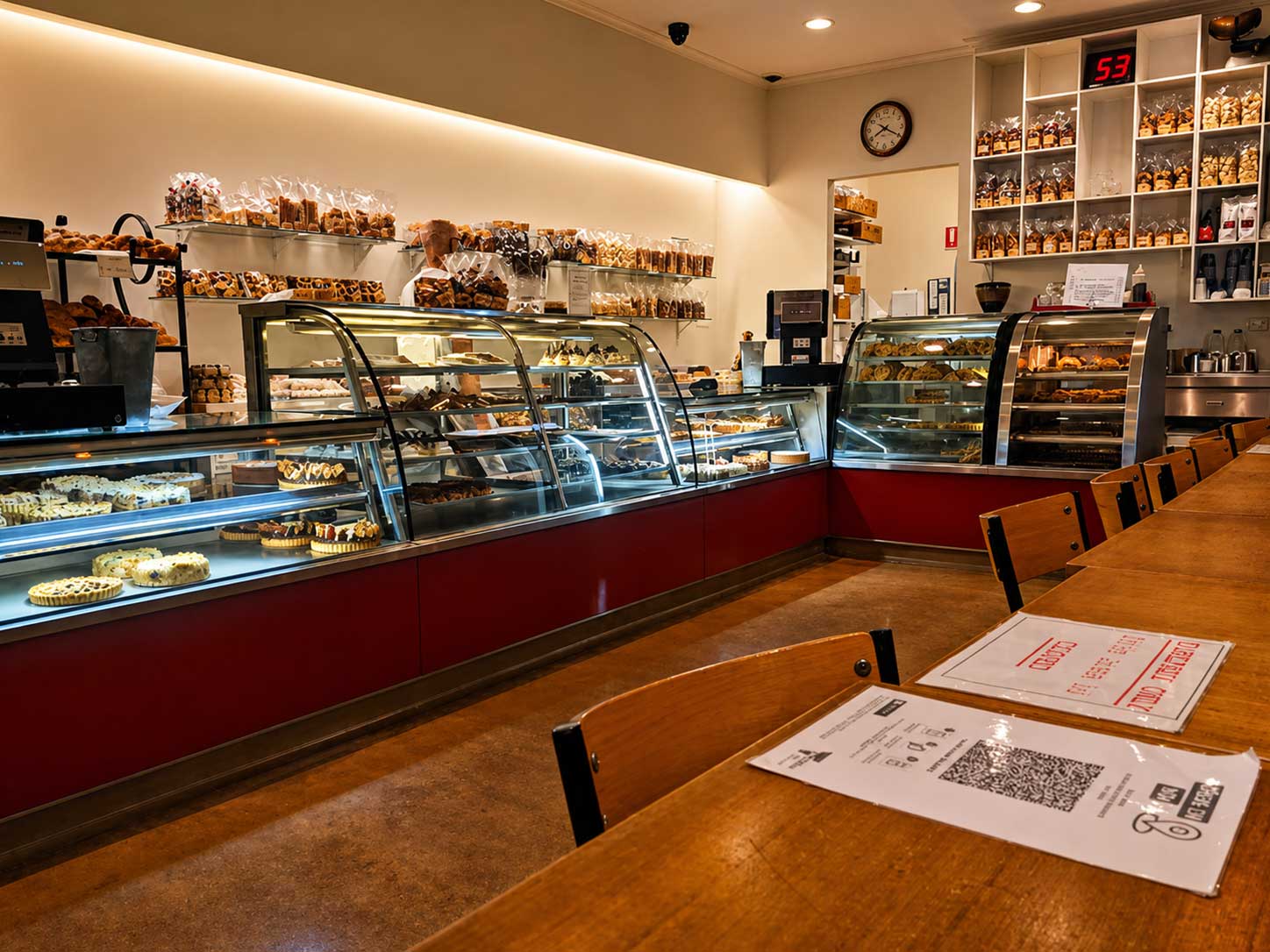
Along Lygon Street and surrounding blocks, migrants opened espresso bars, continental grocers, bakeries and regional social clubs that turned the footpath into an extension of the living room. Institutions such as Co.As.It., established in Carlton in 1968 to provide welfare, aged care, language classes and cultural preservation, grew directly out of the practical needs of families navigating a new language and legal system. Today, the Italian Historical Society housed within its Faraday Street headquarters preserves thousands of photographs, letters and oral histories documenting the everyday sacrifices of factory workers, shopkeepers and mothers who built a thriving community from scratch.
A New Generation From the Horn of Africa
By the late twentieth and early twenty-first centuries, Carlton’s role as an inner-city gateway evolved once again. Alongside university students and long-standing European residents, families from the Horn of Africa, particularly from Somalia, Eritrea, Ethiopia and Sudan, settled in Carlton’s high-rise estates and surrounding streets.
Like the generations before them, these residents navigated the challenges of resettlement, language barriers and raising children between cultures by building strong grassroots networks. Neighbourhood homework clubs, women’s sewing and enterprise groups, community kitchens and sporting teams emerged across local community centres, ensuring young people had academic support while elders retained respected roles at the centre of family life.
The everyday expressions of this chapter are visible in community celebrations, youth leadership programs and shared meals around Carlton’s neighbourhood houses, where recipes, languages and lived experiences continue to enrich the suburb’s daily rhythm.
Shared Streets and Living Memory
What distinguishes Carlton’s social history is not merely that different cultural groups passed through the same postcode, but how those layers remain visible side by side. Morning walkers still pass historic terrace facades once home to Yiddish printing presses, linger outside long-running Italian pastry shops and greet neighbours returning from local schools and community gardens.
Local organisations, heritage trails and community centres actively preserve these overlapping histories rather than treating them as nostalgic relics. Through oral history archives, multilingual support services and public festivals, long-standing residents and newer arrivals alike participate in an ongoing civic conversation about belonging.
More than 170 years after its streets were first surveyed, Carlton endures as proof that a neighbourhood’s character is never fixed in stone. It is continually renewed by the people who arrive, adapt, care for one another and leave the streets richer for the generations that follow.