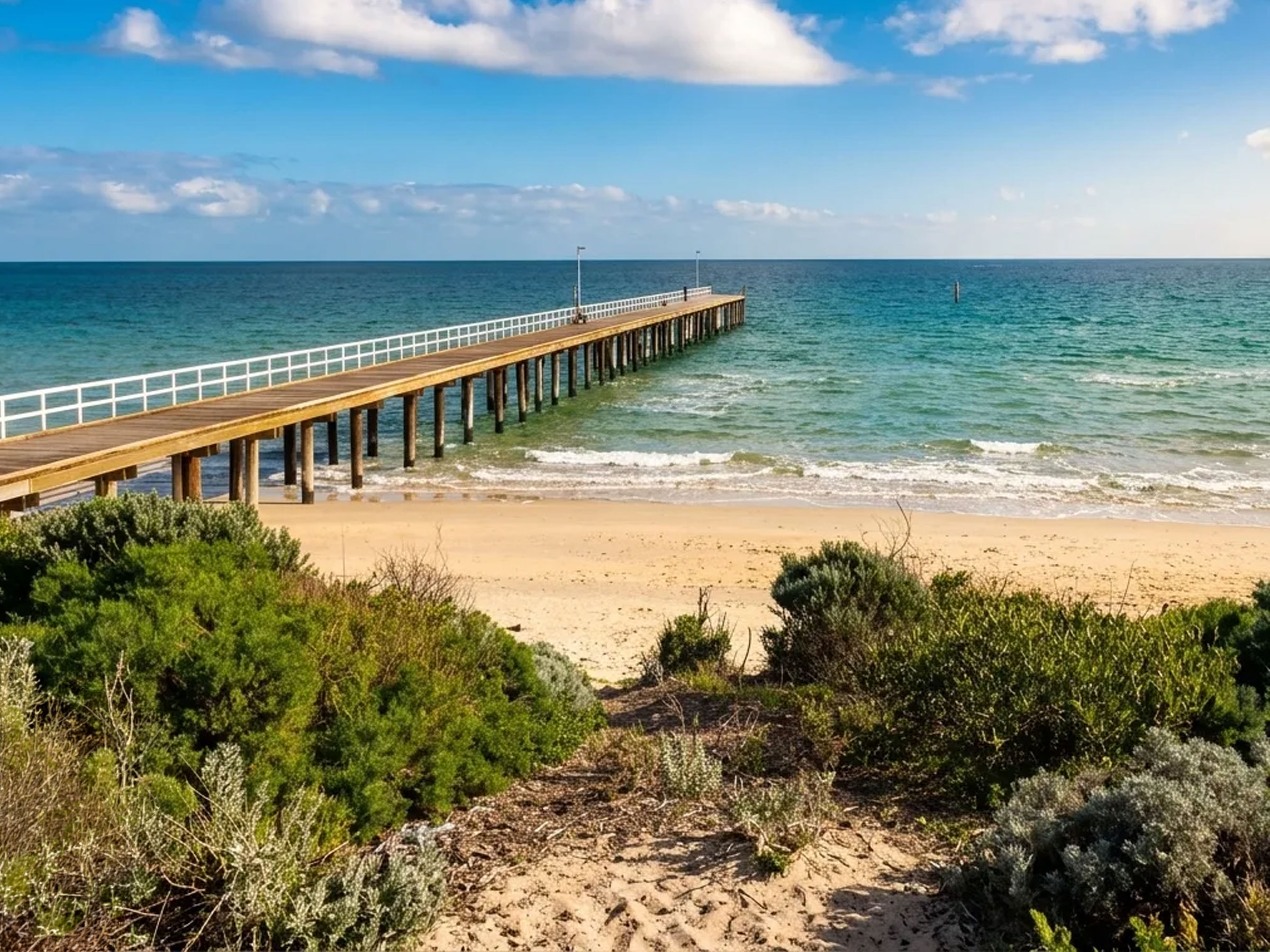

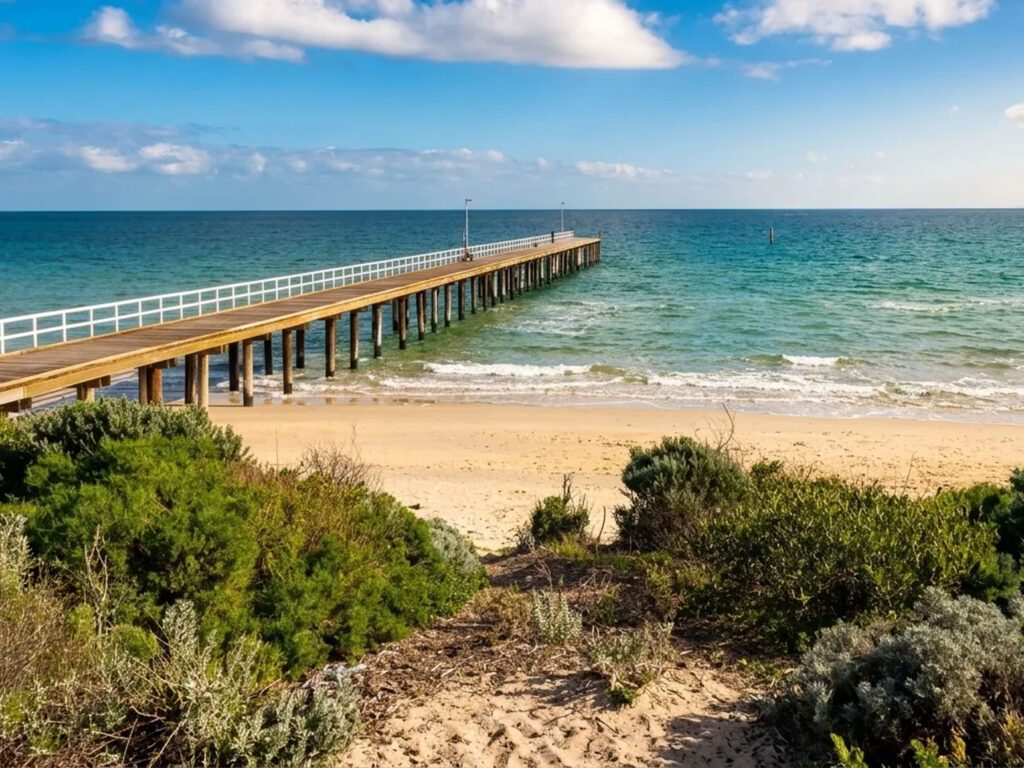
Gardening within a few hundred metres of Port Phillip Bay requires a very different approach to tending a backyard further inland. Across Seaford, brisk salt-laden westerly winds, bright coastal glare and pale, sandy soils quickly test traditional European ornamentals that demand heavy watering and rich clay loam. Yet stepping just across Nepean Highway into the vegetated dunes of the Seaford Foreshore Reserve reveals an entire palette of resilient flora that flourishes in these exact conditions without artificial intervention.
Working With Seaford’s Sandy Soil and Bay Breezes
Much of Seaford sits atop ancient coastal sand sheets and dune systems that drain rapidly and hold minimal organic nutrients. While thirsty exotic lawns and shallow-rooted annuals often struggle through dry Melbourne summers in this substrate, indigenous plants from the Port Phillip coastal belt have evolved deep, fibrous root systems specifically adapted to anchor loose sand and capture scarce moisture.
Embracing local soil conditions rather than fighting them saves both time and water. Incorporating coarse organic compost and a generous layer of chunky bark mulch helps moderate soil temperature and prevent wind erosion, while selecting species endemic to the Frankston and Seaford coastline ensures long-term survival through summer heatwaves and winter gales alike.
Resilient Indigenous Species for Bayside Backyards
Designing an attractive coastal garden does not mean sacrificing colour, texture or seasonal interest. Local horticultural guides produced by Frankston City Council highlight dozens of indigenous groundcovers, shrubs and feature trees well suited to suburban blocks.
For low border plantings and sunny nature strips, Carpobrotus rossii (Karkalla or Native Pigface) produces succulent, salt-resistant foliage topped with vibrant magenta flowers in spring and summer. Alongside it, Leucophyta brownii (Cushion Bush) adds striking architectural contrast with its rounded mounds of silver-grey stems, naturally tolerating direct salt spray and reflected coastal light.
Where structure and privacy are needed, mid-storey shrubs such as Correa alba (White Correa) and Rhagodia candolleana (Seaberry Saltbush) form dense, wind-buffering hedges that require little pruning. For larger yards seeking a signature canopy tree, Banksia integrifolia (Coast Banksia) offers serrated dark-green leaves with silvery undersides and pale yellow flower spikes that attract nectar-feeding birds throughout autumn and winter.
Creating Habitat Corridors Beyond the Foreshore
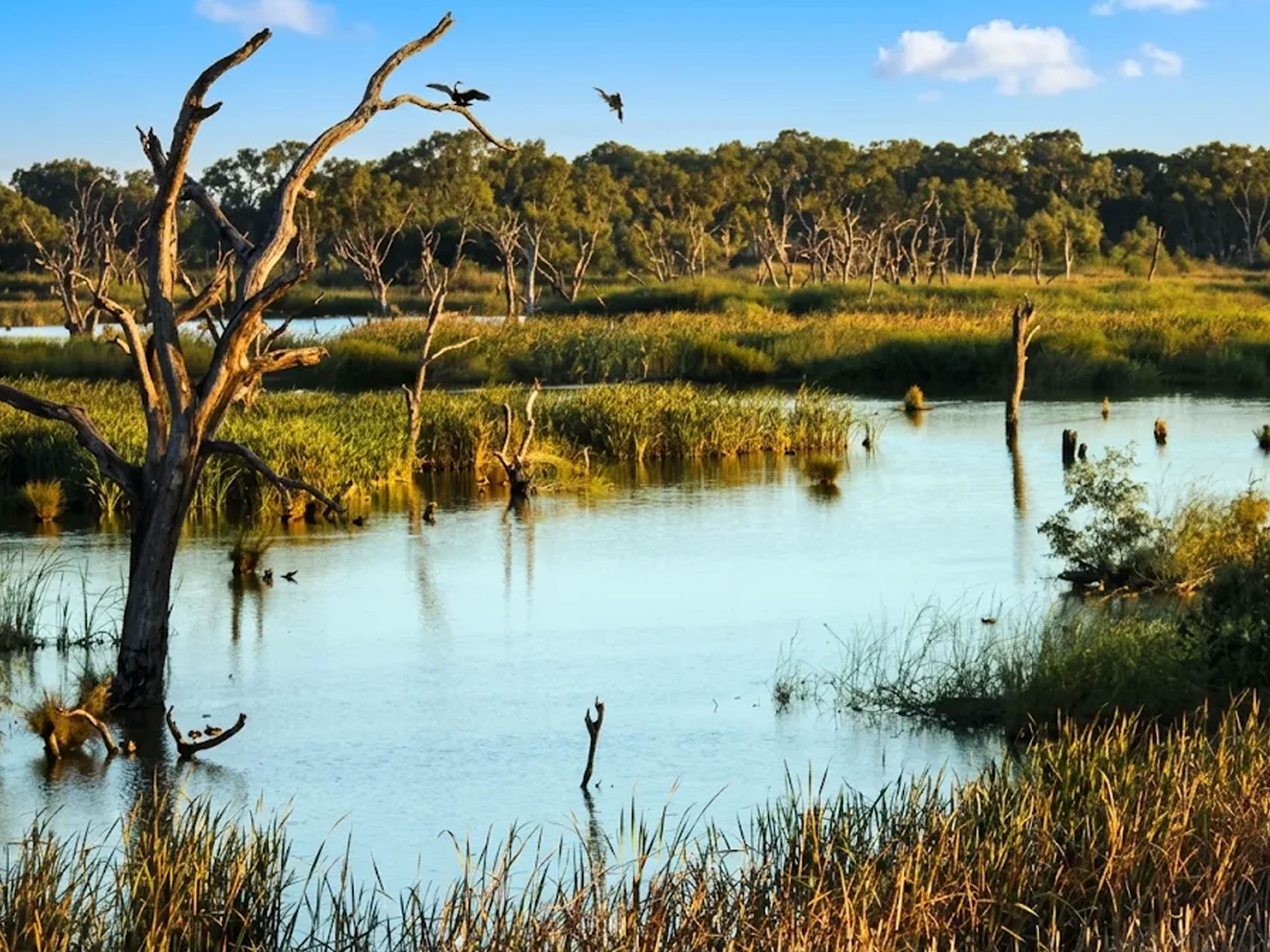
Every residential garden planted with local provenance species acts as a vital stepping stone between Seaford’s major conservation zones, linking the coastal scrub with Kananook Creek Reserve and the inland Seaford Wetlands. Nectar-rich grevilleas, banksias and correas sustain native honeyeaters, wattlebirds and eastern spinebills, while dense tussock grasses such as Poa poiformis (Coast Tussock Grass) provide shelter for blue-tongued lizards and beneficial pollinating insects.
Sourcing Local Provenance Plants and Practical Care
When establishing a native bayside garden, sourcing stock grown from local seed makes a measurable difference to plant hardiness. Located just up the highway in Carrum Downs, the Frankston Indigenous Nursery propagates tube stock specifically suited to the municipality’s soil types and microclimates, offering residents an economical way to establish resilient garden beds.
Autumn and early winter remain the optimal seasons for planting in Seaford, giving young tube stock several cool, damp months to establish deep roots before the arrival of summer winds. Watering deeply once or twice a week during the first warm season encourages downward root growth, after which most indigenous coastal species thrive almost entirely on natural rainfall.
By trading high-maintenance turf and imported ornamentals for hardy coastal natives, Seaford homeowners gain gardens that look effortlessly at home beside the bay, lower household water use and extend the suburb’s signature bushland character right to the front gate.