
Thirty-six kilometres south-east of Melbourne’s central business district, the pace of daily life shifts noticeably once the Frankston train line pulls into Seaford. Unlike busier inner-bayside stretches dominated by manicured promenades and multi-storey apartments, this corner of the City of Frankston has retained a rugged, restorative relationship with its natural landscape. Framed by Port Phillip Bay to the west, the winding waters of Kananook Creek through its centre, and one of Victoria’s most important ecological sanctuaries to the east, Seaford offers a model of everyday living built around accessible nature.
A Five-Kilometre Green Buffer Along the Bay
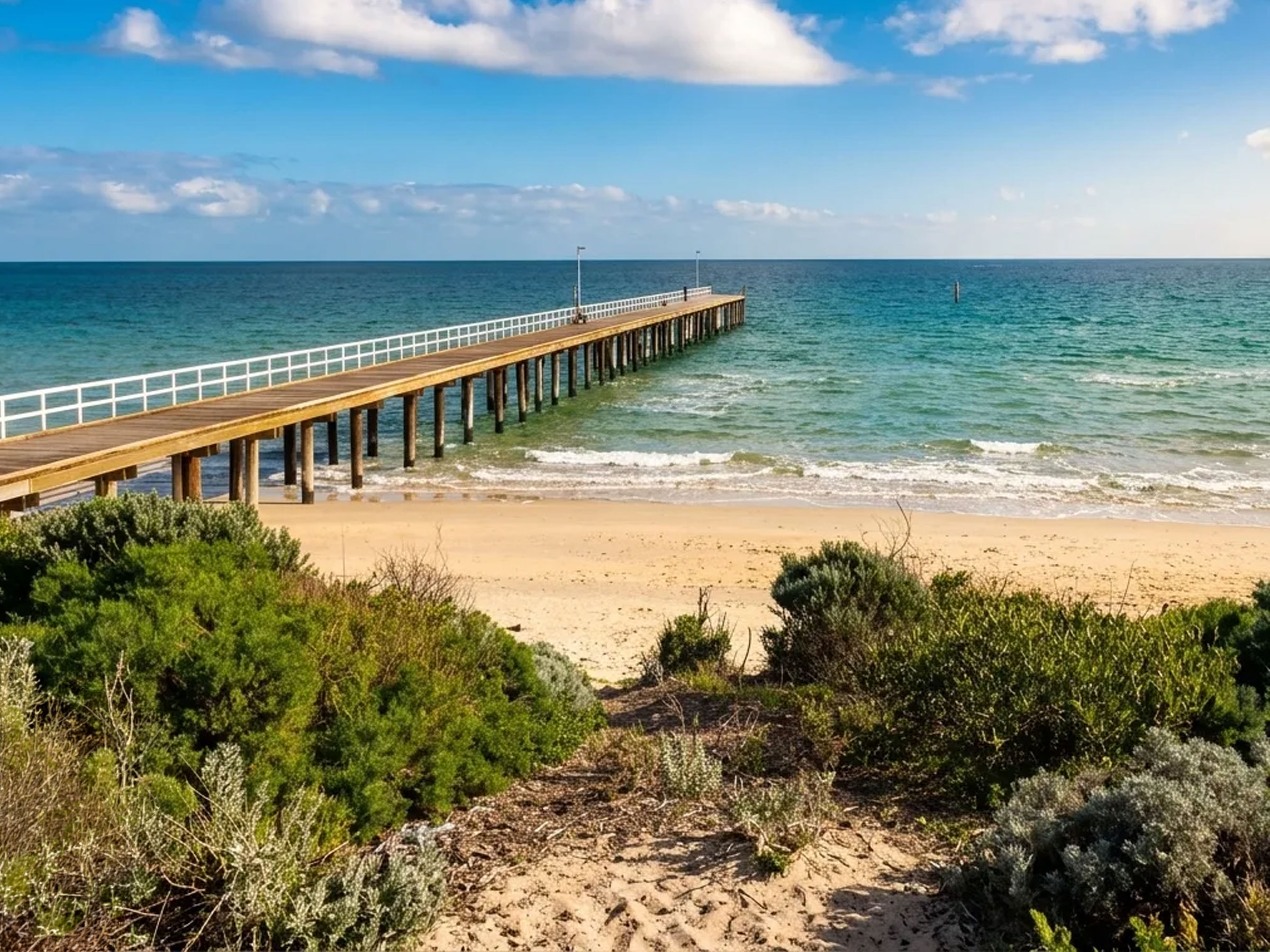
The defining feature of Seaford’s coastline is the Seaford Foreshore Reserve, an expansive 55-hectare coastal strip stretching roughly five kilometres in length and averaging 100 metres in width. Rather than opening directly onto the Nepean Highway, the sandy shoreline is shielded by dense indigenous vegetation, including the largest contiguous stand of Banksia integrifolia (Coast Banksia) remaining close to Melbourne.
For residents, this vegetated buffer transforms a routine morning walk or afternoon run into an immersive bushland experience just metres from the water. Winding sandy tracks and looped shared paths connect the foreshore north toward Carrum and south toward Frankston, allowing walkers, cyclists and families to move safely away from road traffic. Along the way, open grassy pockets such as Keast Park provide practical community gathering points with picnic facilities and bay views, blending active outdoor recreation with quiet coastal stillness.
Life Along the Ramsar-Listed Wetlands
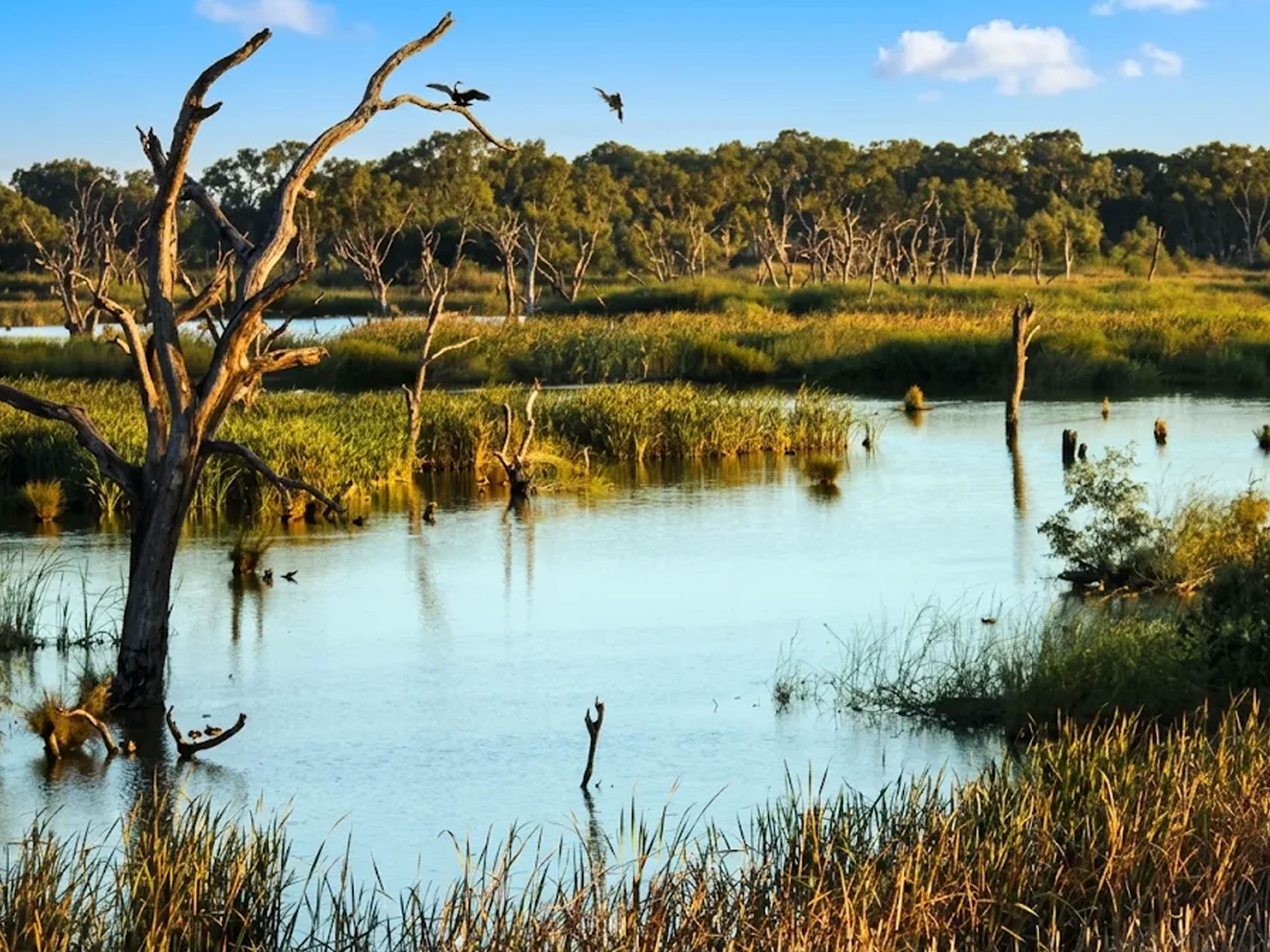
Roughly 1.5 kilometres inland from the foreshore lies a vastly different, equally vital ecosystem. Covering 158 hectares, the Seaford Wetlands form the southern half of the broader Edithvale-Seaford Wetland, the largest remaining natural wetland of its type in the Port Phillip and Western Port basins. What exists today is a carefully preserved remnant of the historic Carrum Carrum Swamp, which once spanned more than 4,000 hectares from Mordialloc to Frankston before drainage works and the cutting of the Patterson River in 1879 reshaped the region.
Recognised globally under the Ramsar Convention, the wetlands serve both as critical flood protection for surrounding neighbourhoods and as a thriving refuge for wildlife. Up to 7,000 birds can occupy the wetland system at any given time, with 190 bird species recorded across the area, including 38 migratory species protected under international agreements. Sharp-tailed Sandpipers travel thousands of kilometres along the East Asian-Australasian Flyway to feed on the mudflats, while threatened species such as the Australasian Bittern find shelter among the tall marsh reeds. A resident mob of Eastern Grey kangaroos also grazes within the reserve, offering an unexpected encounter with native fauna in suburban Melbourne.
Rejuvenated Trails and Community Stewardship
Recent infrastructure upgrades delivered through the Seaford Wetlands Rejuvenation Project, a partnership involving the Victorian Government, Frankston City Council and Melbourne Water, have further strengthened how locals interact with the reserve. New shared-use paths, upgraded signage, a viewing platform and a pedestrian and cycling bridge designed to complete a full circuit around the wetlands make low-impact exploration accessible to walkers and cyclists of all ages.
Much of the reserve’s ongoing vitality is also owed to grassroots conservation. Established in 1988, the Friends of Edithvale-Seaford Wetlands has spent decades planting native flora, installing nesting boxes, advocating for protective buffer zones and educating visitors on wetland ecology. For locals interested in hands-on sustainability and community connection, volunteering with the group offers a tangible way to care for their immediate environment.
Connecting Creek, Coast and Neighbourhood
Linking the inland reserves with the bay is the Kananook Creek Reserve, a tranquil waterway corridor lined with walking and cycling tracks that run parallel to the coastline. Together, the creek, the wetlands and the foreshore create an interconnected green network that shapes everyday routines across Seaford.
Residents can step out for an early coffee near Seaford Village, follow the shaded creek trail toward the beach for a swim in Port Phillip Bay, or spend a quiet weekend morning observing seasonal birdlife from the wetland viewing areas. Positioned at the gateway to the Mornington Peninsula yet connected directly to central Melbourne by rail, Seaford demonstrates how thoughtful preservation of urban bushland and waterways can elevate daily health, neighbourhood pride and sustainable coastal living.