
Walk along Bay Street toward Station Pier on any clear afternoon and the layers of Port Melbourne’s past sit right beside its present. Heritage corner pubs stand opposite sleek contemporary apartment towers, bluestone laneways run parallel to modern bike paths, and names etched into nineteenth-century brickwork recall an era when shipping, manufacturing and dockside labour set the tempo of daily life. Ensuring that these physical fragments remain connected to the human stories behind them has been the enduring mission of Pat Grainger, longtime president of the Port Melbourne Historical and Preservation Society.
In a bayside suburb that has experienced some of Melbourne’s most dramatic urban transformation over the past four decades, local memory does not survive by accident. Through archival preservation, public talks, walking tours and patient civic advocacy, Pat Grainger has become one of the foremost custodians of the stories belonging to the suburb once known as Sandridge.
A Steward of Everyday Working History
Unlike narratives that focus solely on grand civic monuments or wealthy colonial figures, the history championed by Pat Grainger and the Port Melbourne Historical and Preservation Society centres on working people and neighbourhood life. Established in 1990 by residents determined to protect both local heritage buildings and social memory during a period of rapid waterfront redevelopment, the society grew into a vital repository of photographs, oral histories, maps and municipal records.
Under Grainger’s stewardship, that archive has never been treated as a closed vault for academic specialists. Instead, it functions as a living community resource where longtime residents, descendants of wharf labourers and newly arrived apartment dwellers alike can trace how the suburb evolved. Whether uncovering the history of the 1928 waterside workers’ strike, documenting lost corner stores or researching the women who sustained families through economic hardship, Grainger consistently brings human warmth and precision to every chapter.
Giving Voice to Forgotten Streets and Industries
For decades, Port Melbourne was an industrial powerhouse whose factories, biscuit makers, engineering workshops and bustling piers employed thousands across Melbourne’s inner south. As heavy industry moved away and docklands precincts were reimagined for residential living, many of the landmarks that anchored community identity vanished from the streetscape.
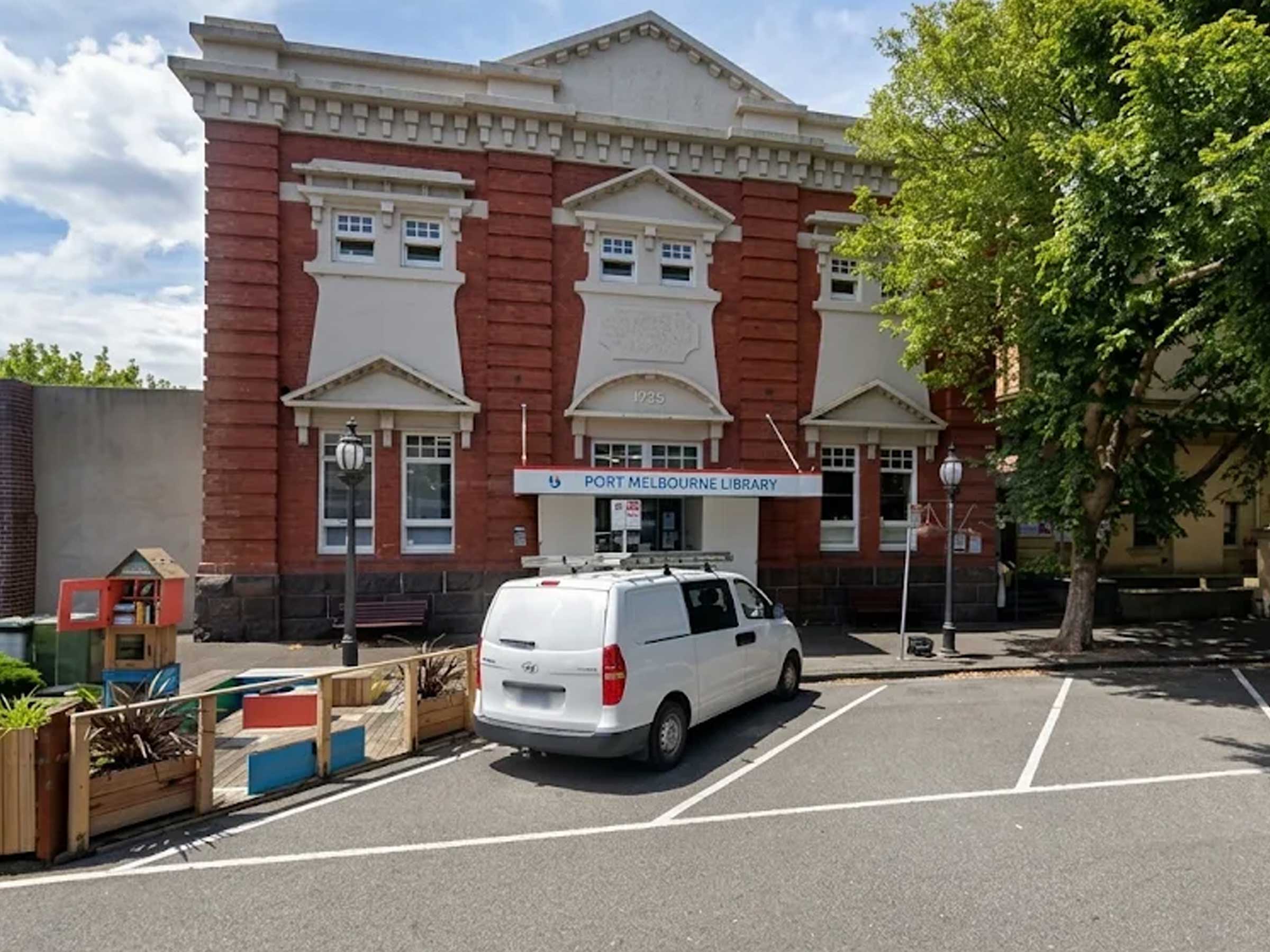
Through meticulously researched publications, exhibitions and public lectures hosted at the historic Port Melbourne Town Hall, Pat Grainger has worked tirelessly to ensure that redevelopment never erases remembrance. On guided heritage walks through back streets and former industrial pockets, Grainger points out subtle architectural clues, from ghost signs painted on brick walls to the modest scale of surviving timber workers’ cottages, translating bricks and mortar into vivid portraits of community solidarity.
Bridging Generations in a Changing Suburb
One of Grainger’s most significant contributions lies in bridging the divide between Port Melbourne’s multi-generational families and the newcomers drawn to its coastal lifestyle. New residents frequently arrive captivated by the proximity to Port Phillip Bay and the central city, yet unaware of the fierce civic pride and working-class resilience that shaped the suburb’s character.
By welcoming questions from family historians, collaborating with the City of Port Phillip heritage collections and championing the preservation of significant local sites, Grainger fosters a shared sense of belonging. When people understand the struggles, craftsmanship and neighbourly spirit that built their streets, their connection to the neighbourhood deepens beyond real estate into genuine custodianship.
Why Local Custodians Matter
In fast-growing cities, community historians rarely seek the spotlight, yet their quiet persistence defines how a suburb understands itself. Decades of volunteer dedication, committee meetings, grant applications and archival cataloguing sit behind every preserved photograph and protected heritage plaque.
Through her leadership of the Port Melbourne Historical and Preservation Society, Pat Grainger has demonstrated that history is far more than nostalgia. Kept alive with care, generosity and rigour, the stories of Sandridge and Port Melbourne continue to remind residents that beneath every contemporary streetscape lies a community built by ordinary people whose lives deserve to be remembered.