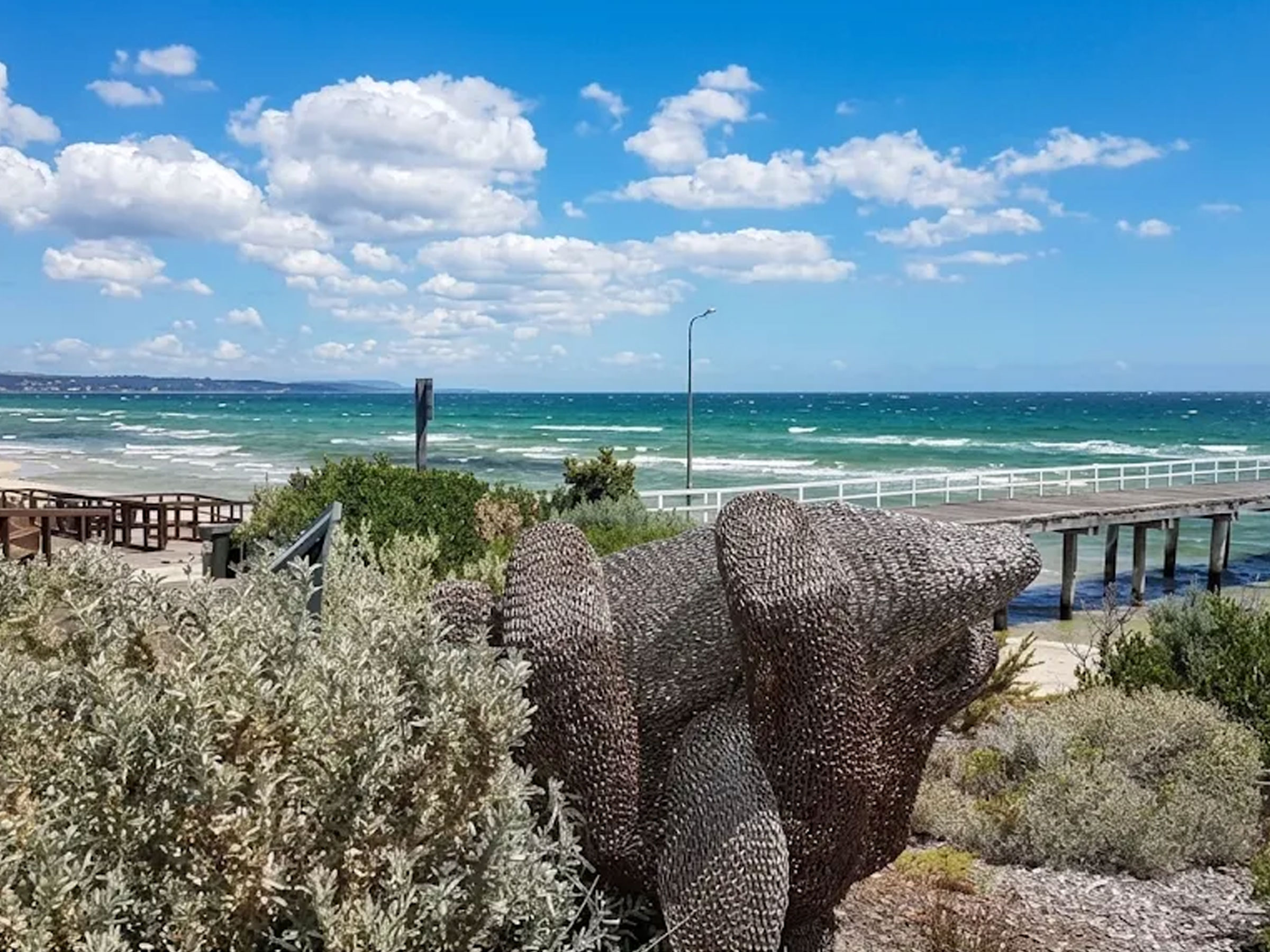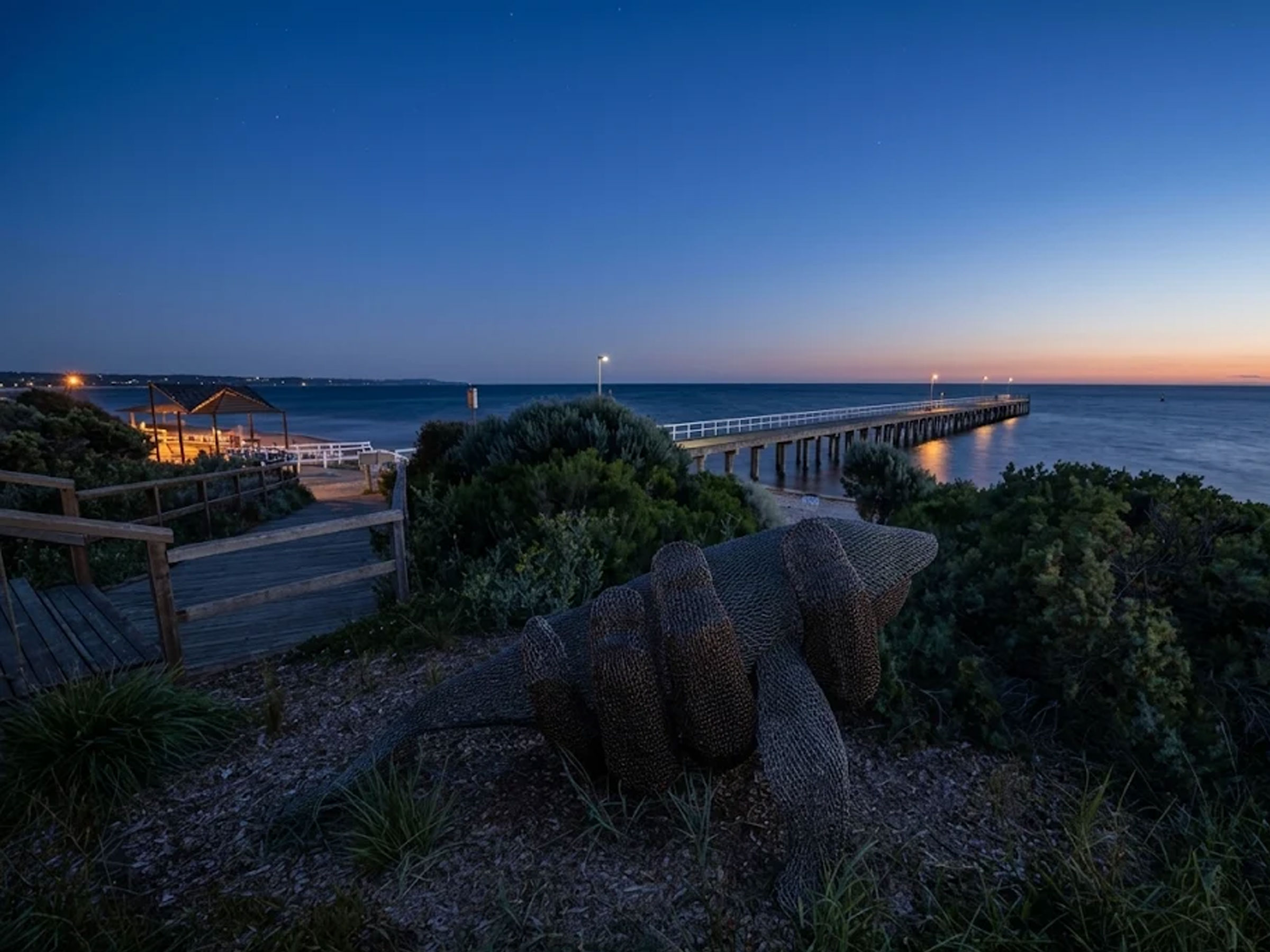

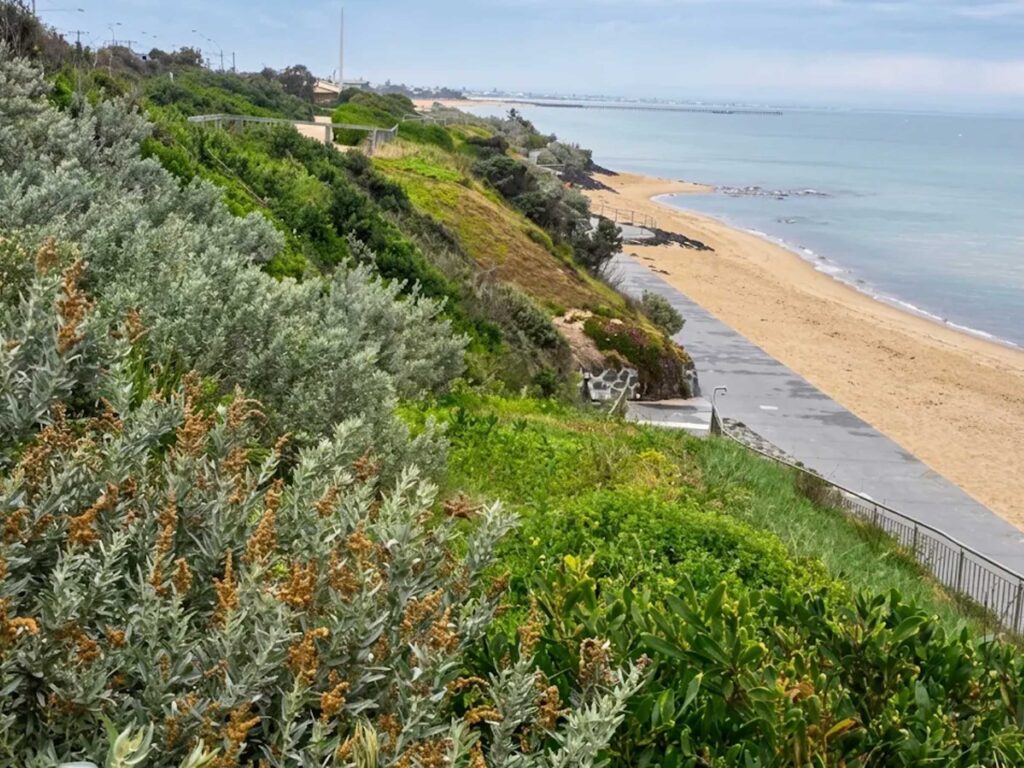
Every week along the sandy tracks separating Beach Road from the waters of Port Phillip Bay, small groups of local residents arrive with gardening gloves, hand trowels and water buckets. While morning walkers pass by along the sealed coastal path, these volunteers step quietly into the scrub behind the dunes, pulling invasive weeds and nurturing young indigenous seedlings. Their work rarely draws fanfare, yet the lush coastal corridor that frames Parkdale Beach owes much of its resilience to decades of patient, grassroots stewardship.
Behind every thriving bayside neighbourhood lies a network of people who invest their time in protecting what makes the place distinct. In Parkdale, that civic commitment spans both the natural environment and the suburb’s built heritage, uniting long-standing residents, retired educators, young families and local historians around a shared sense of custodial care.
Restoring an Indigenous Coastal Landscape
Long before suburban streets and railway lines connected Melbourne’s south-east, the coastline between Mentone and Mordialloc was defined by wind-swept sand dunes, coastal banksia woodland and dense thickets of coast tea tree. Over generations of urban growth, foot traffic and introduced garden species steadily encroached on that fragile ecosystem, leaving pockets of the foreshore vulnerable to erosion and weed invasion.
Recognising what was at risk, local environmental volunteers began organising regular working bees along the Parkdale foreshore. Working in partnership with coastal rangers and natural resource teams at the City of Kingston, community groups systematically cleared invasive woody weeds such as boneseed, coastal wattle and mirror bush, replacing them with provenance-grown indigenous species propagated from local seed stock.
For many participants, the motivation is deeply personal. Watching silver banksias, coastal rosemary and native groundcovers take hold in sandy soil offers tangible proof that consistent local effort can reverse environmental decline. Over the years, restored vegetation corridors have stabilised dune banks against winter storm surges while welcoming back native birds, microbats and pollinators that rely on indigenous flora for survival.
Preserving the Stories Behind the Streetscape
Stewardship in Parkdale extends beyond the shoreline into the archives and living memory of the suburb itself. Named in the early twentieth century after local landowner and developer David Parker, Parkdale grew steadily after its railway station opened in 1919, evolving from a quiet coastal retreat of holiday cottages and market gardens into a close-knit residential community.
Local historical researchers and community archivists associated with the Kingston Historical Website and district historical societies have spent years documenting those transitions. By collecting family photographs, oral histories, school records and accounts of early bayside life, volunteers ensure that the stories of timber boatshed builders, wartime community groups and post-war migrant families remain accessible to newer generations moving into the area.
Passing Custodianship to a New Generation
What distinguishes Parkdale’s civic fabric is how naturally knowledge passes between longtime locals and newer arrivals. During community planting mornings and heritage walks, retired residents share recollections of childhood summers spent around the foreshore piers and local reserves, while younger parents bring their children along to help mulch newly planted seedlings.
These shared experiences turn abstract concepts like environmental sustainability and local heritage into lived community habits. Children who help plant coastal grasses or learn why weathered timber boatsheds hold cultural significance grow up viewing the shoreline not merely as a backdrop for recreation, but as a living landscape that requires ongoing care.
Quiet Dedication That Shapes Everyday Life
In an era when urban neighbourhoods can easily feel transient, the people tending Parkdale’s dunes and preserving its local history anchor the suburb in continuity. Their contributions are visible in every shaded foreshore track, every thriving patch of native coastal bushland and every documented chapter of bayside memory.
Without seeking recognition, these everyday stewards demonstrate that the true character of a community is built by those willing to look after it over decades. Through patient hands in the sand and careful preservation of shared stories, Parkdale’s volunteers ensure that the suburb’s natural beauty and coastal spirit remain intact long into the future.