
When Meg Miller moved into a Victorian terrace in Fitzroy in 1968, the inner-north suburb looked markedly different from the gentrified creative precinct known across Melbourne today. Factories still hummed along back lanes, post-war European migrants ran corner milk bars and continental delis, and long-standing working-class families occupied streets that planners had earmarked for sweeping urban renewal. Out of a deep curiosity about the people who shaped those streets came a lifelong commitment to ensuring their stories were recorded, preserved, and shared.
Arriving in a Suburb in Transition
Trained as a professional researcher and writer, Meg Miller arrived in Fitzroy at a pivotal moment in Melbourne’s social history. During the late 1960s and 1970s, slum-clearance programs and high-rise public housing developments were reshaping inner-city neighbourhoods, while waves of artists, students, and activists were moving in alongside established migrant and Aboriginal communities. Seeing how rapidly physical landmarks and generational memories could vanish, she began investigating the layered past of Victoria’s first incorporated municipality.
Rather than treating history as a dry catalogue of mayors and grand civic buildings, Miller gravitated toward the lived experiences of ordinary residents. Shopkeepers, factory hands, dressmakers, boarding-house tenants, and community organisers all held vital fragments of Fitzroy’s identity. Collecting those perspectives required patience, neighbourhood trust, and an appreciation that the most revealing historical records often sat inside shoeboxes on kitchen tables rather than formal state archives.
Founding the Fitzroy History Society
In 1986, Meg Miller joined fellow local enthusiasts to establish the Fitzroy History Society, creating a dedicated community forum to document and celebrate the suburb’s past. Serving across decades as a committee member, researcher, and long-standing convenor, she helped guide the volunteer-run organisation from informal gatherings into one of Melbourne’s most active suburban historical societies.
One of the group’s earliest landmark achievements was the collaborative publication of Fitzroy: Melbourne’s First Suburb in 1989. Produced with contributions from local historians, researchers, and residents, the book brought together social, architectural, and political histories in an accessible format that quickly became a foundational reference work for anyone seeking to understand how the compact square kilometre north of the city evolved.
Giving Voice Through Oral History
Central to Miller’s approach has always been the spoken word. Recognising that working-class and migrant histories frequently went unrecorded in official council minutes, she championed an extensive oral history program capturing first-hand recollections from longtime locals. Through recorded interviews and carefully transcribed conversations, residents recounted everything from childhood games in bluestone laneways to decades spent running family businesses along Gertrude, Brunswick, and Smith streets.
These interviews did more than preserve nostalgia; they documented how social solidarity operated during tough economic periods, how newly arrived families adapted to Australian life, and how grassroots campaigns fought to protect heritage streetscapes from demolition. Stored and catalogued in partnership with local library collections, the transcripts continue to serve researchers, students, and descendants tracing their family roots.
Connecting Archives to Everyday Streets
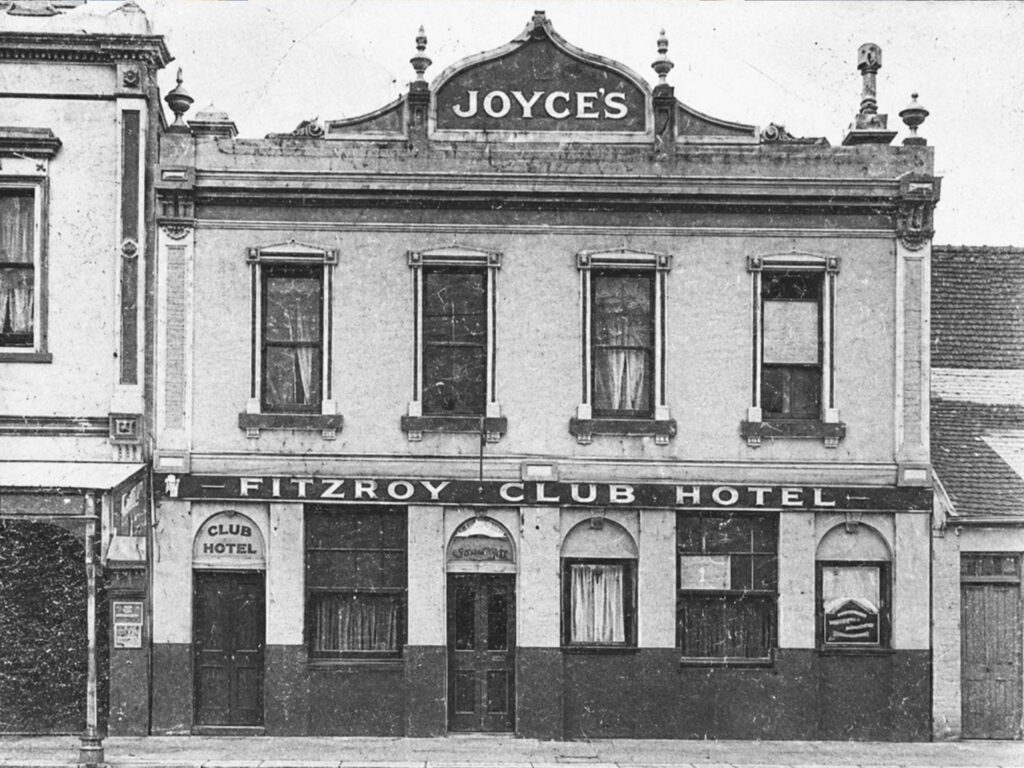
For Meg Miller, historical research was never meant to remain locked inside filing cabinets. Through walking tours, public talks, newsletter essays, and exhibitions hosted at the Fitzroy Library on Moor Street, she worked consistently to bring archival discoveries back into public view. Residents strolling past a former boot factory or converted corner hotel could suddenly connect familiar brickwork with the human stories that once unfolded behind its doors.
Her contributions also extended to broader civic heritage advocacy, helping ensure that planning decisions, streetscape conservation, and community commemorations were grounded in accurate local evidence. That sustained dedication earned formal civic recognition, including honours celebrating her long-term service to local history and community life within the City of Yarra.
A Living Legacy in Melbourne’s First Suburb
Over more than five decades in Fitzroy, Meg Miller has witnessed the suburb transform from an industrial working-class district into one of Australia’s most sought-after cultural neighbourhoods. Yet through every wave of architectural and demographic change, her work has underscored a simple truth: a community’s character rests on the memory of the people who built and sustained it.
Today, the thriving archive, ongoing oral history projects, and engaged membership of the Fitzroy History Society stand as a testament to what persistent, community-minded scholarship can achieve. By listening closely to neighbours and safeguarding their stories, Miller helped ensure that Fitzroy’s past remains an active, visible part of its everyday life.