
Behind the heritage iron lacework of Victorian terraces and the glass balconies of modern apartments, a quiet shift is taking place in how inner-city residents approach food, waste and green space. Across Carlton, where private backyards are often limited to compact brick courtyards or sunlit window ledges, locals are turning to shared gardens, footpath plantings and neighbourhood compost hubs to cultivate a more sustainable daily routine.
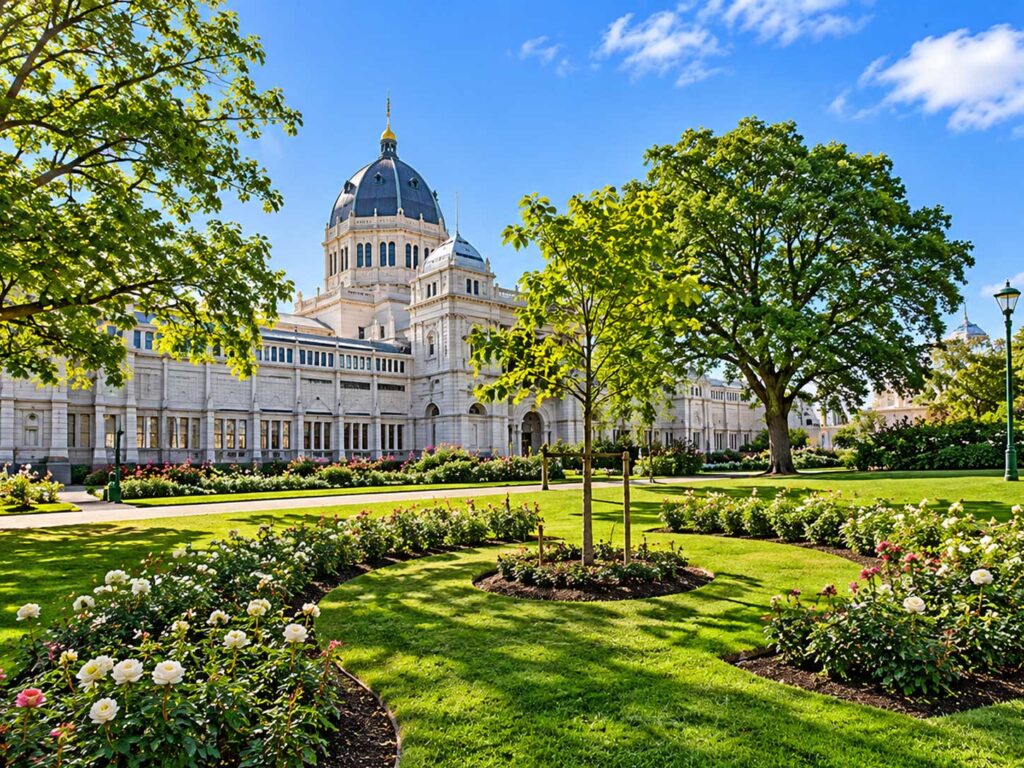
While the suburb is renowned for its formal nineteenth-century parklands—most notably the World Heritage-listed Carlton Gardens and the leafy garden squares of Lincoln and Argyle—a parallel network of productive green spaces operates on a distinctly everyday scale. Driven by council urban agriculture initiatives and grassroots neighbourhood centres, these spaces give apartment dwellers, students and families practical ways to grow seasonal produce and keep organic scraps out of landfill.
A Communal Approach to Growing Food
Sitting along Princes Street on the northern edge of the suburb, the Ballam Ballam Community Garden demonstrates how productive agriculture can thrive even beside a busy inner-city thoroughfare. Operated by the Carlton Neighbourhood Learning Centre, the space was established in 2015 with a deliberate focus on shared stewardship rather than fenced-off individual plots.
By maintaining communal beds, the garden removes the multi-year waiting lists that often accompany inner-urban allotments, allowing residents of varying backgrounds and skill levels to learn together. Regular working bees and horticulture programs bring beginners alongside experienced growers to tend seasonal vegetables, culinary herbs and fruit trees, supported by a 20,000-litre rainwater harvesting system.
Honouring Country Through Native Bushfoods
Beyond conventional kitchen crops, the site also reflects a deeper connection to local ecology and First Nations heritage. Named by Wurundjeri Traditional Owner Aunty Dianne Kerr, the garden incorporates a dedicated native bushfood sanctuary designed around a yarning circle and wheelchair-accessible pathways. Planted with indigenous edible species, the space offers residents an everyday opportunity to learn about native flora suited to Melbourne’s climate while acknowledging the land’s enduring cultural significance.
Closing the Loop With Neighbourhood Compost Hubs
For inner-city households without access to a garden bed or green waste bin, managing kitchen scraps remains one of the biggest hurdles to low-waste living. Located alongside the garden at 20 Princes Street, the Carlton Compost Hub addresses this gap directly. Supported by City of Melbourne community sustainability initiatives, the hub enables registered local households to drop off fruit and vegetable scraps at any hour.
Hundreds of local families participate in the scheme, diverting roughly 800 kilograms of organic waste from landfill every week. Rather than generating methane in municipal tips, those coffee grounds, citrus peels and vegetable offcuts are processed on-site alongside garden trimmings and shredded cardboard to build nutrient-rich soil. The resulting compost feeds the centre’s expanded food-growing beds and helps retain soil moisture during Melbourne’s dry summer months, completing a visible circular economy within walking distance of home.
The centre’s front gate also doubles as a weekday recycling drop-off point for tricky household items that cannot go into standard kerbside bins, including household batteries, light globes, printer cartridges, mobile phones and medication blister packs. For residents living in compact flats, consolidating composting and specialist recycling into a single neighbourhood stop makes sustainable habits far easier to maintain.
Bringing Greenery to Terraces, Balconies and Nature Strips
Community hubs are only one piece of Carlton’s domestic greening puzzle. Across quiet residential pockets off Rathdowne, Drummond and Cardigan streets, residents are increasingly adapting small-footprint spaces to support pollinators and edible plants.
Under the City of Melbourne street garden guidelines, locals can apply to transform approved nature strips and kerbside spaces into shared footpath gardens. Thoughtful street plantings of rosemary, hardy native grasses and flowering perennials soften historic bluestone laneways, reduce urban heat and spark casual conversations between neighbours who might otherwise pass by without speaking.
Inside apartments and courtyard homes, vertical planters, self-watering wicking beds and terracotta pots allow growers to make the most of dappled northern light. Choosing compact varieties—such as dwarf citrus, trailing cherry tomatoes, silverbeet and perennial herbs—ensures productive harvests even when floor space is measured in square metres rather than acres.
Practical Steps for Inner-City Growers
Getting started with sustainable gardening in a high-density suburb requires little more than curiosity and a willingness to share resources with neighbours. Residents looking to build greener daily habits can begin with a few straightforward steps:
- Join a local working bee: Visiting a communal garden session is the fastest way to learn what thrives in Carlton’s microclimate without investing in expensive tools or seeds.
- Register for a compost hub: Keeping a sealed countertop caddy in the kitchen and dropping scraps at a local hub dramatically cuts household rubbish volume while supporting community soil production.
- Start small on balconies and windowsills: Prioritise deep pots with quality potting mix and mulch to prevent containers from drying out on windy Melbourne afternoons.
- Consult council guidelines before planting outdoors: Checking municipal street garden rules ensures nature strip plantings remain safe for pedestrians, accessible for prams and compatible with underground services.
As inner Melbourne continues to grow denser, these shared patches of soil prove that a rewarding connection to nature does not depend on owning a quarter-acre block. Through communal gardens, footpath plantings and neighbourhood composting, Carlton residents are demonstrating that everyday sustainability works best when it is grown together.