
In a suburb best known for its leafy avenues, heritage residences, and bustling Whitehorse Road village, the true character of Balwyn often reveals itself in quieter rooms. Across community halls, aged care lounges, and morning coffee tables, long-time resident Matthew Etty-Leal has spent years turning local memory into shared conversation.
Whether presiding over meetings of the Balwyn Historical Society, speaking to seniors’ groups about Australian cultural icons, or catching up with neighbours after a morning exercise class, he represents a style of community stewardship built on consistency, curiosity, and genuine human warmth.
From Global Fieldwork to Eastern Suburbs Roots
Growing up in Melbourne’s eastern suburbs gave Matthew Etty-Leal an early appreciation for neighbourhood life, yet his path to becoming one of Balwyn’s most active civic voices was shaped far beyond Victoria. Earlier in his career, he spent 12 years working with World Vision, a role that involved travelling extensively across Latin America, Africa, and Asia.
Those years of international fieldwork instilled an enduring interest in how communities preserve their identity and support one another through change. When he settled in Balwyn, where he has lived for around three decades, he brought that same outward-looking empathy and organisational energy home to his own postcode.
Preserving Balwyn’s Past as a Living Story
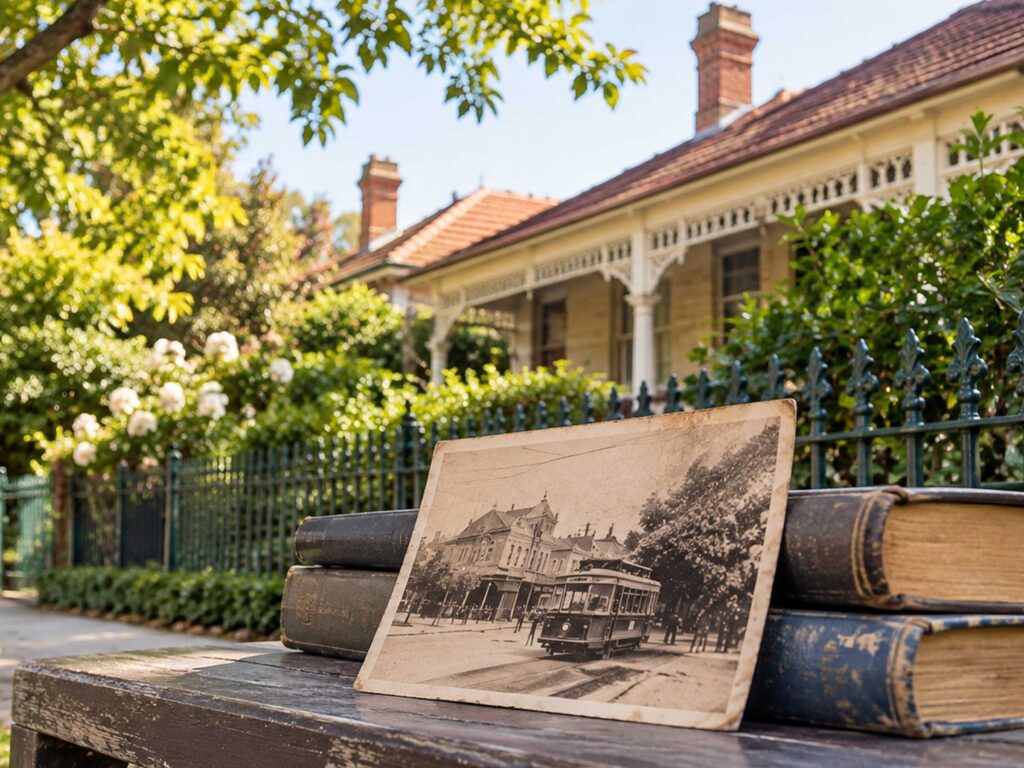
As President of the Balwyn Historical Society, an incorporated volunteer organisation committed to exploring and safeguarding the history of Balwyn, North Balwyn, and Deepdene, Matthew Etty-Leal treats local heritage as an active civic resource rather than a static archive. Under his leadership, the society publishes regular newsletters, digitises and organises historical photographs and documents, advocates for heritage protection, and hosts community gatherings such as the Balwyn Antiques Roadshow.
A major focus of the society’s research and fundraising under his guidance has been Home of the Vine, a dedicated local history book chronicling Balwyn and its surrounds. The title honours Scottish journalist Andrew Murray, whose 1850s estate combined Gaelic and Saxon words meaning “home of the vine” and gave the suburb its name. By tracing how pastoral estates, early churches, and family-run timber yards evolved into modern residential streets, the society helps both long-standing locals and newer arrivals understand the ground beneath their feet.
More Than 500 Talks and Counting
While archival preservation protects the written record, Matthew Etty-Leal is equally recognised for bringing history directly to people who might otherwise feel disconnected from wider community life. Since 2016, he has delivered more than 500 historical and travel presentations across the City of Boroondara and surrounding Melbourne suburbs.
His audiences span the University of the Third Age, retirement villages, aged care residences, seniors’ clubs, Probus groups, and service organisations such as the Rotary Club of Balwyn. His subjects range from the pioneering transport network of Cobb & Co and hidden chapters of Balwyn’s past to engaging portraits of late Australian satirist and performer Barry Humphries. For older residents in residential care or retirement communities, these sessions offer far more than dates and anecdotes; they spark lively discussion, shared laughter, and personal recollection.
Everyday Connection at the Heart of Balwyn
Beyond historical research and public speaking, his civic contribution extends across several cornerstone institutions in the district. Alongside his leadership at the historical society, his voluntary service with St Barnabas Balwyn, the historic Balwyn Road parish established in 1872, and Vision Australia Radio led to him being named Joint Boroondara Volunteer of the Year in 2022 through the Boroondara Volunteer Awards.
Much of his weekly rhythm centres on the Balwyn Evergreen Centre on Talbot Avenue, which serves both as the meeting venue for the Balwyn Historical Society and as a social hub for older adults in Boroondara. In addition to giving talks and organising society gatherings at the centre, he regularly attends Tuesday and Thursday morning men’s exercise classes. As he has shared with the centre’s community, staying physically active is only half the benefit; gathering afterwards for coffee and conversation creates the supportive camaraderie that keeps older neighbours connected and prevents social isolation.
In an era when suburban life can easily become hurried and anonymous, the example set by Matthew Etty-Leal offers a quiet counterpoint. Through patient research, hundreds of generous hours behind a lectern, and simple morning catch-ups over coffee, he demonstrates that the richest heritage any Melbourne community can hold is the care its residents show for one another.